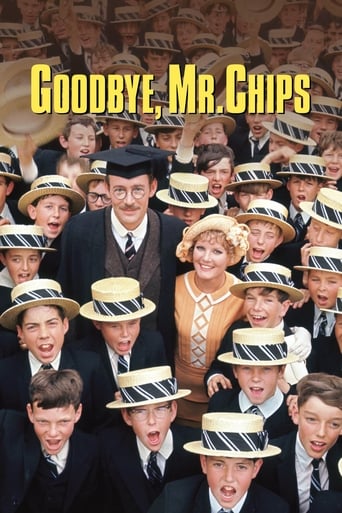
チップス先生さようなら
あらすじ
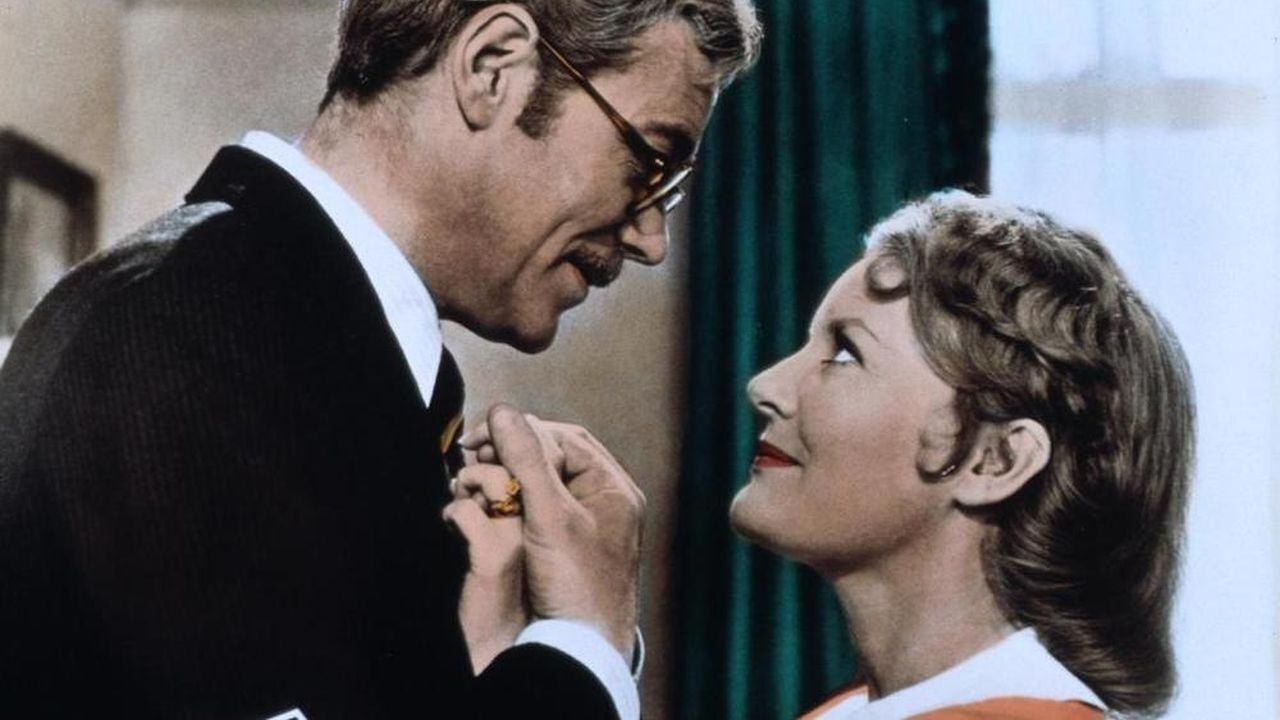
ジェームズ・ヒルトンの名作文学に基づくミュージカルを、ピーター・オトゥール主演で映画化。教育熱心だが人気のない“チップス先生”ことアーサー・チッピングの、恋あり騒動ありの人生をみずみずしく描く。
興行成績
製作費: $9,000,000 (14億円)
※製作費・興行収入はTMDBのデータを参照しています。収支は(興行収入 - 製作費)で算出したFindKey独自の推定値であり、広告宣伝費や諸経費は含まれません (1ドル=150円換算)。
ジェームズ・ヒルトンの名作文学に基づくミュージカルを、ピーター・オトゥール主演で映画化。教育熱心だが人気のない“チップス先生”ことアーサー・チッピングの、恋あり騒動ありの人生をみずみずしく描く。
製作費: $9,000,000 (14億円)
※製作費・興行収入はTMDBのデータを参照しています。収支は(興行収入 - 製作費)で算出したFindKey独自の推定値であり、広告宣伝費や諸経費は含まれません (1ドル=150円換算)。
監督: ハーバート・ロス
脚本: Terence Rattigan / James Hilton
音楽: ジョン・ウィリアムズ
制作: Arthur P. Jacobs
撮影監督: Oswald Morris
制作会社: APJAC Productions / Metro-Goldwyn-Mayer British Studios / Metro-Goldwyn-Mayer
I suppose if you are going to reimagine the classic 1939 version of this story, you have to ditch some of that film’s most charming elements and bring it up to date. That’s what Herbert Ross and Leslie Bricusse have done here and for the most part it sort of works. Peter O’Toole takes on the role of the fastidious Latin master at the all-boys “Brookfield” school where he is neither much liked by the staff nor much respected by the pupils. It’s on a trip to London to see a show that he meets it’s star “Katherine” (Petula Clark) but he puts his foot in his mouth rather. On a trip to Pompeii, he encounters her again and this time the seeds of something special are planted. Their return to his school exposes both of them to changing attitudes towards himself and her that tests their blossoming relationship and his professional commitment to something he’d hitherto given his life to and with the Second World war now also looming, there are significant readjustments required to attitudes at the school that will see the final demise of the more traditional class system and the end of an era that, following a wartime tragedy, leaves “Chips” adrift in a world with which he is unfamiliar. It’s a well produced drama with plenty of attention to the detail, but it has lost much of the blue Danube romance of the Robert Donat and Greer Garson version. The “Katherine” character here is much more robust, independent and doubtless a better fit for the late 1960s, but for me the modernisation rendered this a bit disappointingly functional. I also found it lacked a killer musical number as neither “Fill the World with Love” nor “You and I” really stick in the mind for long after their various reprises throughout the film. Maybe I’m a sucker for the original sentiment, but though I enjoyed this enough, it is not a film that tugs at the heartstrings the same way nor does it evoke that sense of declining empire and relevance that added such poignancy before. There is an engaging chemistry, though, between O’Toole and Clark - she certainly knows how to hold a note and it’s a competent reversioning that’s hard not to like.