The feeling of discovering a secret universe where winter seems eternal awakens that sense of pure wonder we usually lose in the daily grind. Revisiting this story years later made me realize that magic doesn't age when it's treated with the respect it deserves. And this adaptation manages to bring back exactly those butterflies in my stomach from when I used to believe that behind any old piece of furniture in the house, a massive mystery could be hiding.
For me, what really gets me about this movie is how it's in no rush to get to the magic, choosing instead to anchor the fantasy in real-world trauma. That opening during the Blitz bombings in London, with the sirens howling and the kids being torn away from their mother, isn't just window dressing. It hits me hard, instantly putting a lump in my throat with a deep sense of urgency, fear, and family loss. When they finally make it to Narnia, I can't see the realm just as a lucky theme park find. It actually works as a physical and psychological refuge. And I think the irony the script builds is brilliant: they flee a world in flames only to parachute into another that's frozen and oppressed. It makes the journey feel like it has genuine weight, giving those kids space to process and overcome the horrors of a real war by facing a magical one.
I always find myself admiring the visual mastery of the scene where Lucy crosses over between the real world and fantasy. To me, it's easily the most poetic moment in the whole film. I love how Adamson’s camera plays with our perspective and doesn't take the easy way out. There's no flashing neon tunnel or that cliché tractor beam of light sucking you in. The whole thing is slow, tactile, and full of textures. I can almost feel Lucy backing up, bumping into those heavy, mothball-scented fur coats that, out of nowhere, turn into rough pine branches. The visual clash of the mansion's dark, musty environment colliding with the silent vastness of the snow, lit only by a lone lamppost, brings me that exact same enchantment I felt reading the pages of the original book.
As someone who holds C.S. Lewis's story very dear, it's a huge relief to see that the script didn't try to reinvent the wheel. It's common for Hollywood to take old tales and stuff them with cynical jokes to try and seem "cool" to a new generation, but here, the reverence really stands out. I feel like the essence of the fairy tale and the innocence of that era were preserved with incredible delicacy. The dialogue even carries a certain formality that fits the 1940s perfectly, and the story moves forward at its own episodic pace, unafraid of sounding old-fashioned. To me, this faithfulness didn't hold the movie back; it was actually the ticket to the film's emotional success.
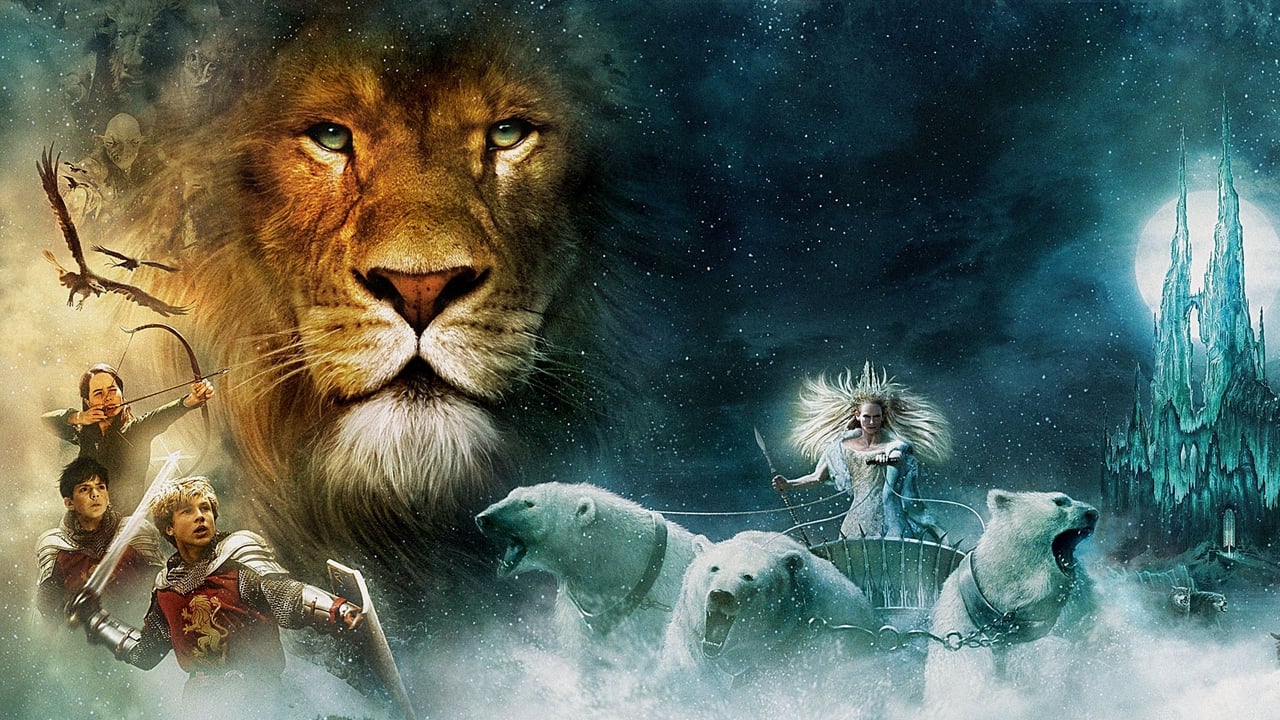
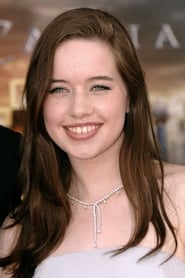
Casting a quartet of kids who could hold my attention for over two hours was a high-stakes gamble. But what makes me love this cast so much isn't some picture-perfect drama school performance, but rather the imperfections and natural vibe they bring to the screen. They bicker, compete for attention, and resent Peter's bossiness when he tries to play dad... they sound like siblings I actually know. And I think it's amazing that they don't just drop into the snow ready to slay monsters with giant swords. There's crying, there's wanting to go home, and there's absurd skepticism. Watching this slow transition from scared brats to confident monarchs is what keeps me glued to my seat.
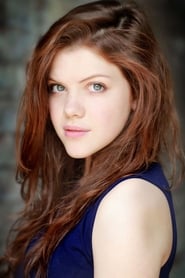
If we had to point out the true beating heart of this story, I wouldn't hesitate for a second: it's little Lucy. Georgie Henley's performance is one of the most precious things I've ever seen in fantasy cinema. I look at her and I simply believe what she's seeing. She doesn't have that fake veneer, you know? Those lines delivered on autopilot, sounding like a kid who just memorized a huge script. Georgie acts with her whole heart. When she cries clinging to Aslan's mane or laughs having tea with Mr. Tumnus, I'm forced to suspend any shred of disbelief I might have. The sheer wonder in her eyes makes me believe in the magic right alongside her.
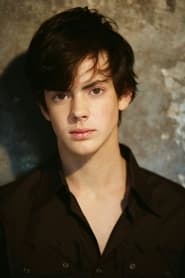
Skandar Keynes got handed the prickliest character of the bunch and delivered exactly what I wanted to see. Edmund is a kid eaten alive by a massive inferiority complex and unresolved anger. And the movie doesn't try to sugarcoat it to make him look cute. The petulance, the envy, and how easily he lies make him the perfect prey for the White Witch. But it's exactly because he messes up all the time that I find him the most complex and interesting human in the mix. His guilt hits me right in the gut. I ache for this boy's journey as he goes from a petty traitor to a terrified prisoner, ultimately finding the courage to seek redemption. It's an arc that gives the film a maturity that's sometimes missing in Peter's overly heroic moments.
Every time I rewatch the movie, I feel like Tilda Swinton was born wrapped in ice specifically to play Jadis. She devours every scene she steps into. I love the fact that she didn't go for that standard fairy tale villain vibe of screaming and cackling hysterically. Her approach is different: a calm, almost aristocratic sadism. Her posture, her soft, venomous tone of voice while serving Turkish Delight to Edmund... that sends a real shiver down my spine. She gives me the feeling of being ice-cold inside and out. For me, Tilda raised the bar and became the absolute gold standard for any antagonist stepping onto a magical fantasy set.
You can't ignore that translating all the heavy Christian subtext of C.S. Lewis was a massive minefield. The whole thing could have easily derailed into an unbearable church sermon right in the middle of the theater. But the way the direction weaves in the metaphors of the sacrifice on the Stone Table, the washing away of sins, and the resurrection feels wonderfully discreet and dignified to me. The pain of that central moment hits me through the characters' grief, without demanding that I become devout. I think it's fantastic how I can enjoy the movie whether I'm diving deep into the theological depth or just turning off my brain and watching archetypal heroes defeat evil in a well-crafted adventure.
I see Andrew Adamson's work as a massive balancing act. He knows the whole family is in the living room, so he doses the darkness and the light very cleverly. He doesn't need to splatter blood on the screen to make me feel the gravity of a death, preferring to focus on the emotional blow the actors convey. And, to be honest, even if I feel a slight stumble in the pacing with a somewhat episodic feel in certain parts, the way Adamson delivers those cathartic moments makes up for everything. He has a genuine knack for pulling humanity out of the interactions between actors and CGI creatures, proving he had a solid, affectionate vision for this universe.
The cinematography in this film works as a parallel storyteller for me. The color palette grabs me by the hand from the cramped, gray interior of the wardrobe right to that harsh white that seems to suffocate Narnia in the first act. And I think it's beautiful how the whole screen blossoms alongside Aslan's footsteps, flooding the theater with earthy tones and bright greens when spring finally explodes. The contrast of the Witch's jagged ice castle clashing with the vibrant, golden palette of the army tents helps me physically feel the emotional shift the script aims for.
The sound, to me, is Narnia's oxygen. Harry Gregson-Williams's score completely wraps around me. He knew exactly how to use Celtic-inspired instruments and melodies that make me feel the mystery of those snowy forests right in the first few minutes. But when things hit the fan in the war scenes, man, those epic choirs throw me headfirst into the clash of swords. The sonic details of the ice cracking under the kids' feet in the river or the heavy roar echoing through the valleys grab me by the collar and amplify my experience a thousand times over, making the sound just as memorable as the visuals.
Nowadays I'm so over those massive blockbusters that just fill the screen with green from edge to edge. That's why I deeply respect the decision to anchor this film in real locations, shooting in the mountains of New Zealand and Eastern Europe. Seeing the kids stepping on actual snow, interacting in a real environment, and only later adding talking griffins and beavers gives me a sense of organic weight. The computer isn't there to create a whole plastic world, but to extend what already existed physically, and that helps my immersion tremendously.
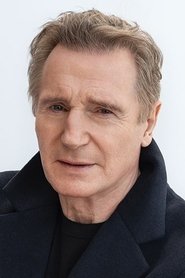
The great lion deserves a massive honorable mention, because, visually speaking, he's what drops my jaw the most in the whole film. Back in 2005, rendering fur blowing in the wind and simulating feline muscles under the skin with such weight was no easy feat. But what really wins me over with Aslan is the eyes. The animators managed to put a human soul into those feline eyes, and Liam Neeson's guttural, austere, yet fatherly voice acting seals the deal (and I also have to applaud the late Paulo Goulart's version, which was the soundtrack of my childhood). He projects absolute authority without even having to try.
I have to give a standing ovation to the heavy lifting done by Howard Berger and the entire practical effects team. It's so rewarding to watch a fantasy blockbuster and see that they got their hands dirty with heavy makeup and prosthetics. The minotaurs have this raw, rustic look that's genuinely terrifying. And the blending they did with James McAvoy as Tumnus is sublime; having actual fur applied to his skin and pairing that with digital goat legs creates a living, breathing creature. When I see that fur swaying and the sweat on the faces of the makeup-clad extras, I feel like that kingdom breathes and has a scent, stepping completely out of the purely synthetic realm.
The costume design in this piece tells me almost as much as the characters' lines. I love noticing how the transition of their clothes dictates their coming of age. We start out feeling sorry for them in those lifeless, scratchy, grayish British school uniforms, and slowly we follow the switch to outfits that embrace them in the adventure. When the climax hits, seeing them dressed in those red armors, full of insignias and mythological symbols, feels like an unspoken coronation to me. They stopped being cornered kids and dressed as royalty with a visual presence that's fantastic to watch.
The pacing of the story doesn't cave to Hollywood's bad habit of cramming in explosion scenes every ten minutes, and I think that's incredibly brave on the script's part. I easily get swept away in that entire first half dedicated to suspense, discovery, and getting intimately acquainted with who lives in Narnia. I like spending that time at Mr. and Mrs. Beaver's house understanding the politics and the prophecy, you know? It's exactly because the script took its sweet time in this part that, when the desperate escape kicks off in the second act and culminates in the battle, I find myself holding my breath for them. I already care about everyone there.
The monumental clash of the troops on the open fields of Beruna never disappoints me. Every time I rewatch it, I'm blown away by the epic spectacle of that choreography. I love the fact that the director doesn't just throw a blob of monsters running at each other; there are tactics, there's an aerial view of the armies sizing each other up, and the impact of the front lines colliding is ridiculously vibrant. And even though they dialed back the blood to protect the kids' age rating, that doesn't strip away the sense of brutality and the weight of bodies flying. It's that explosive payoff that truly rewards all the patience we had up to that point in the narrative.
I think the biggest trump card that makes me revisit The Lion, the Witch and the Wardrobe from time to time is the unique atmosphere it gives off. The film sails right past the annoying cynicism of so many modern adventures and lands softly in the authentic innocence of a bedtime story. The vibe shifts so smoothly from the snowy suspense to that comforting warmth of fables that it transports me almost instantly back to my own childhood. That feeling of good and evil being clearly defined brings me a powerful, nostalgic comfort.
At the end of the day, The Chronicles of Narnia goes way beyond the forgotten kids' movie shelf at the video store. For me, it solidified itself as an epic about how families break and put themselves back together through forgiveness and growing up. And all of this is delivered in a wonderful fantasy box, with clashing swords, effects that still hold up, and a villain who gives me genuine chills to this day thanks to Tilda Swinton's terrifying talent. That majestic universe is still incredibly alive in my head. If your routine is suffocating you and the real world gets too heavy, my honest recommendation is that you turn off your notifications, make yourself a hot drink, and open the door to this wardrobe once again. The magic that made you believe in this world in the first place, I guarantee you, is still intact and waiting for you.