Stagecoach
あらすじ
No synopsis available.
作品考察・見どころ
スタッフ・制作会社
監督: Gordon Douglas
脚本: Joseph Landon / Dudley Nichols / Ernest Haycox
音楽: ジェリー・ゴールドスミス
制作: Martin Rackin
撮影監督: William H. Clothier
制作会社: 20th Century Fox
No synopsis available.
監督: Gordon Douglas
脚本: Joseph Landon / Dudley Nichols / Ernest Haycox
音楽: ジェリー・ゴールドスミス
制作: Martin Rackin
撮影監督: William H. Clothier
制作会社: 20th Century Fox
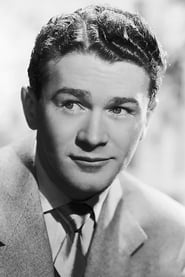
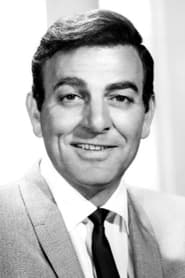
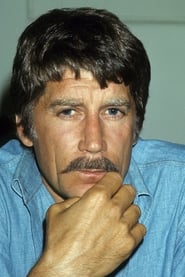
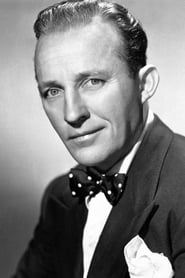
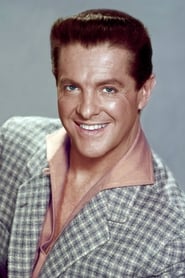
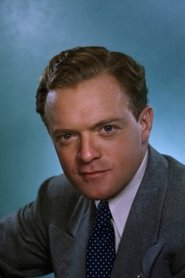
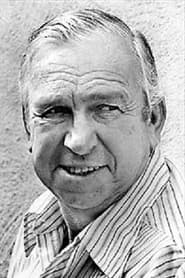
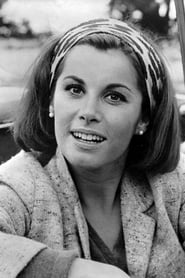
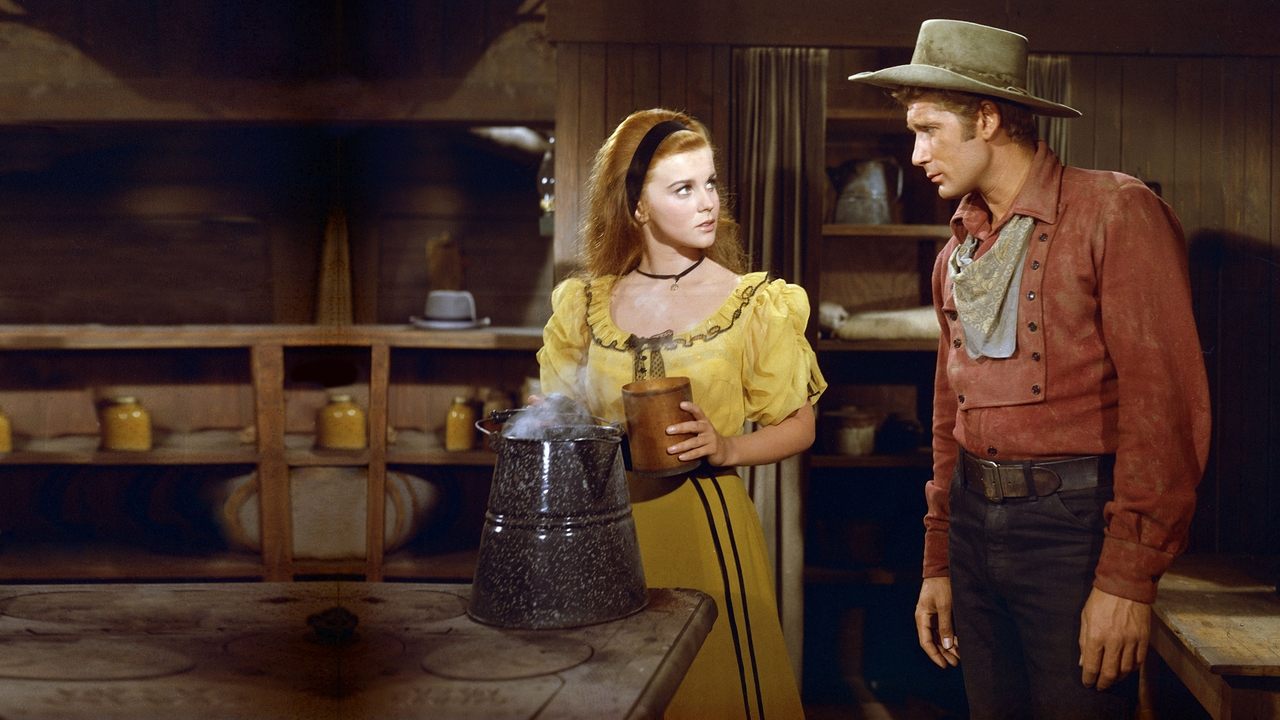
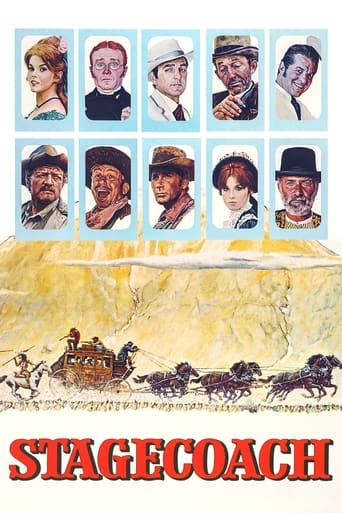
Worthy color remake of the classic Western with Ann-Margret, Van Heflin and Alex Cord This 1966 version of "Stagecoach" is a color remake of the classic B&W Western from 1939. There would be another remake in 1986 featuring country stars of the era. The story revolves around nine characters circa 1880 that travel on a stagecoach through a mountainous area where a group of Indians are on the warpath. The people include a somewhat goofy driver (Slim Pickens) and his shotgun, a marshal (Van Heflin); inside the coach are an outcast prostitute (Ann-Margret), an escaped prisoner named the Ringo Kid (Alex Cord), a pregnant woman traveling to meet up with her officer husband (Stefanie Powers), a suave Southern gambler who knew the lady's father during the Civil War (Mike "Mannix" Connors), an alcoholic doctor (Bing Crosby), a crooked banker (Bob Cummings) and a meek whiskey salesman (Red Buttons). The first two-thirds of the film is mostly character development as the group travels on the stagecoach in the high country and spends the night here and there. The last third involves an action-packed Indian attack and the Ringo Kid settling scores. The story has been opened out and enlarged in comparison to the 1939 version; there's more action and Native attack is thrilling, showcasing some wild stunt work. What was a short climatic showdown in the 1939 version is a bigger shootout accompanied by a saloon blaze. Plus this rendition is in color and is all-around more modern (as far as filmmaking goes) than the old vibe of the '39 version. Although times have changed dramatically since the late 1800s there's not a lot of difference in some ways. People are people whatever the time period and certain behaviors or lifestyles will never be respected by society at large no matter how "progressive" (degenerate) we become, like being a prostitute or drunkard. It's just the moral facts of life. The film works because it establishes the characters well and effectively builds suspense concerning the Natives. The outcasts prove their worth one way or another because they each want redemption or to make things right. The doctor may be a drunk but no one else present can do what he can; the saloon girl is repeatedly overlooked or disrespected until the Ringo Kid stands up for her honor, an outlaw, no less. The marshal must perform his duty, but how do you take in an "outlaw" when you've just been through a life or death situation together and he was instrumental in the group’s survival? The year after this remake there was a sorta semi-remake, the excellent "Hombre" (1967) wherein there are some blatant similarities: Both films include a stagecoach journey with travelers from different walks of life; there’s a "fine upstanding citizen" who has a satchel of pilfered cash, a stagecoach driver, and a prim society woman. They’re both good, but I give the edge to “Hombre.” “Stagecoach” seems old fashioned by comparison, no doubt due to its 1939 prototype. The film runs 1 hour, 55 minutes (19 minutes longer than the original) and was shot in the high country of Colorado (Caribou Country Club Ranch at Nederland). GRADE: B+/A-
"Curly, you ain't got the sense that God gave a goose" There isn't much point in comparing this with John Ford's 1939 version, so if you can sort of forget that and take this at face value, it isn't an half bad western. Initially, I was sceptical about Bing Crosby being fired at by Crazy Horse and his warriors, but once we have waded throught the unneccesarily long characterisation phase, and piled this disparate group onto the stagecoch, then this actually hots up ok. The not so sharp "Curly" (Van Heflin) is the marshal escorting "Buck" (Slim Pickens) as he drives the dipso "Doc" (Crosby); his new best pal - the impressionable whisky salesman "Peacock" (Red Buttons) then there's the down on her luck good time gal "Dallas" (Ann-Margret); the duplicitous gambler "Hatfield" (Mike Connors); "Gatewood" (Robert Cummings) - who is in one hell of an hurry to reach Denver; pregnant army wife "Mrs. Mallory" (Stefanie Powers) and finally, their late arrival, the "Ringo Kid" (Alex Cord) who is swiftly put under arrest and handcuffed. Pretty quickly, they realise that the Sioux are on the warpath, and with dead soldiers strewn along their route, their journey is likely to be fraught with dangers. Even at the staging posts, nobody feels very safe and things are further complicated when "Mrs. Mallory" starts to have her baby! What are the chances that they can make it to the safety of Cheyenne, and even should they get there - what about the "Kid" and his grudge with "Plummer" (Keenan Wynn) and his two gun-totin' sons? The last half hour is lively and entertaining, even if the attacking does get a little repetitious as what appear to be thousands of natives struggle to overwhelm these travellers. I thought Heflin and Cord did fine, Crosby surprised me with his quite convincing alco-doc and the writing keeps their respective sub-plots interesting without allowing them to melo-dramatise the proceedings, or for any love interest between "Dallas" and "Ringo" to interfere too much. It is a little on the long side, but despite my initial trepidation about this rehash of a classic, it's actually perfectly watchable.