Mrs. Dalloway
あらすじ
No synopsis available.
予告・トレイラー
原作・関連書籍
映画化された原作や関連書籍を読んで、映像との違いや独自の世界観を楽しみましょう。
興行成績
興行収入: $3,309,421 (5億円)
※製作費・興行収入はTMDBのデータを参照しています。収支は(興行収入 - 製作費)で算出したFindKey独自の推定値であり、広告宣伝費や諸経費は含まれません (1ドル=150円換算)。
No synopsis available.
映画化された原作や関連書籍を読んで、映像との違いや独自の世界観を楽しみましょう。
興行収入: $3,309,421 (5億円)
※製作費・興行収入はTMDBのデータを参照しています。収支は(興行収入 - 製作費)で算出したFindKey独自の推定値であり、広告宣伝費や諸経費は含まれません (1ドル=150円換算)。
監督: Marleen Gorris
脚本: Virginia Woolf / Eileen Atkins / Anthony Davies
音楽: Ilona Sekacz
制作: Stephen Bayly / Lisa Katselas / Christopher Ball
撮影監督: Sue Gibson
制作会社: First Look International / Bergen Film
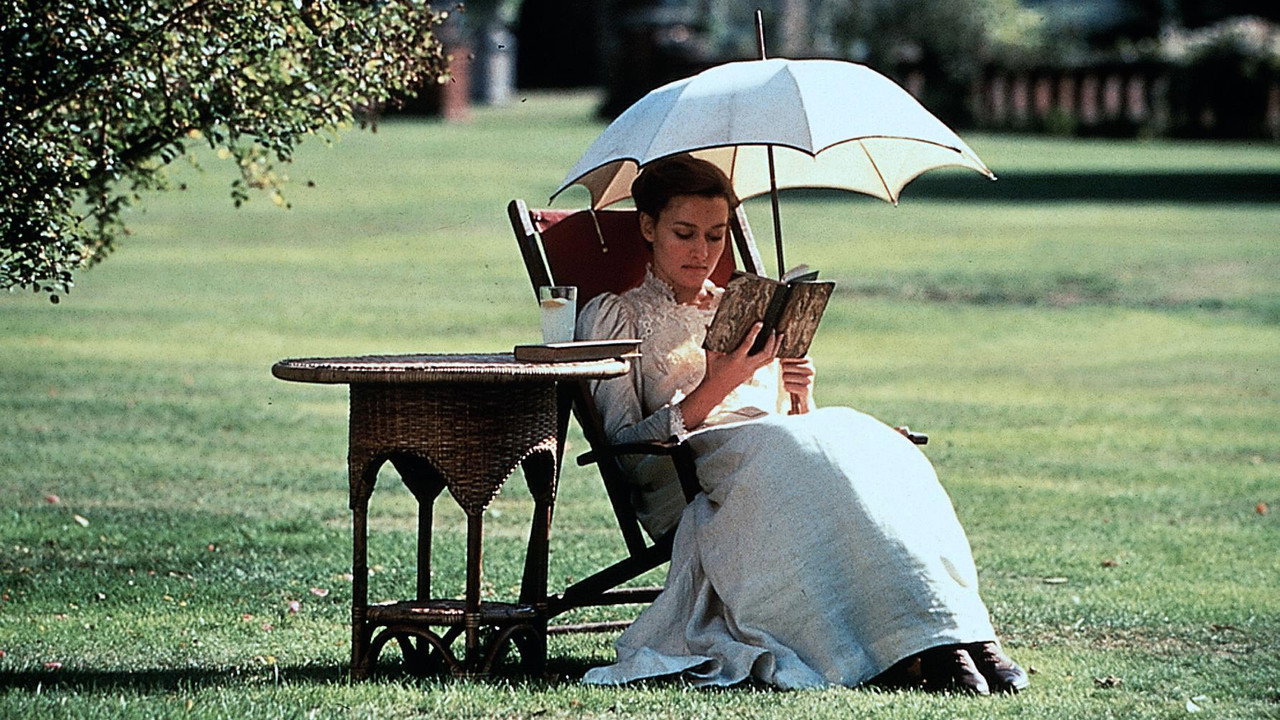
It's the morning of her party, and the eponymous "Clarissa" (Vanessa Redgrave) is a little apprehensive. She's married to a politician (John Standing) who has jilted her for luncheon on this important day, so she sets off to buy some flowers then returns to find she has an unexpected visitor. "Peter" (Michael Kitchen) and she have some history, and as the day unfolds we learn a little of just how that played out thanks to some flashbacks with Alan Cox and Natascha McElhone as their younger selves. These depict the build up to decisions and choices that maybe one, or both, wish now had been made differently. We are also offered a softly dramatised glimpse of the political environment that prevailed in Britain shortly after the end of the Great War. The landed gentry now struggling to maintain their previous degrees of influence, the increasing role of women - the changing political landscape, the end of deference are all woven into the fabric as the party looms and it's hostesss stresses. In parallel, there is the far more interesting storyline developing with a convincing Rupert Graves as the shell-shocked "Septimus Warren Smith". He's returned from the war struggling with any sort of re-adjustment to peacetime life and that's causing considerable distress for his wife (Amelia Bullmore) that isn't really being helped by psychiatrist "Sir William Bradshaw" (Robert Hardy). Generally, this is a grand looking drama featuring an who's who of established British talent, but the effort from Redgrave borders a little on the soporific and aside from the emotionally charged scenes with Graves, the whole pace of the film struggles to get out of second gear as it meanders along offering us a rather lacklustre observation of the lives of people in whom, mostly, I had little interest. It's perfectly watchable and is the kind of film we Brits do well, but it's a bit lightweight on the character front.
It's the morning of her party, and the eponymous "Clarissa" (Vanessa Redgrave) is a little apprehensive. She's married to a politician (John Standing) who has jilted her for luncheon on this important day, so she sets off to buy some flowers then returns to find she has an unexpected visitor. "Peter" (Michael Kitchen) and she have some history, and as the day unfolds we learn a little of just how that played out thanks to some flashbacks with Alan Cox and Natascha McElhone as their younger selves. These depict the build up to decisions and choices that maybe one, or both, wish now had been made differently. We are also offered a softly dramatised glimpse of the political environment that prevailed in Britain shortly after the end of the Great War. The landed gentry now struggling to maintain their previous degrees of influence, the increasing role of women - the changing political landscape, the end of deference are all woven into the fabric as the party looms and it's hostesss stresses. In parallel, there is the far more interesting storyline developing with a convincing Rupert Graves as the shell-shocked "Septimus Warren Smith". He's returned from the war struggling with any sort of re-adjustment to peacetime life and that's causing considerable distress for his wife (Amelia Bullmore) that isn't really being helped by psychiatrist "Sir William Bradshaw" (Robert Hardy). Generally, this is a grand looking drama featuring an who's who of established British talent, but the effort from Redgrave borders a little of the soporific and aside from the emotionally charged scenes with Graves, the whole pace of the film struggles to get out of second gear as it meanders along offering us a rather lacklustre observation of the lives of people in whom, mostly, I had little interest. It's perfectly watchable and is the kind of film we Brits do well, but it's a bit lightweight on the character front.