FindKey

FindKeyは、100万件を超える映画・ドラマ作品、そして数百万人の人物データと独自の16類型CTI診断を統合した、日本初の感情特化型映画レコメンドエンジンです。

Find (見つける) + Key (鍵・正解)

映画に限らず、人生のヒントを見つける場所です。

FindKeyについてロケ地 (試験中)利用規約プライバシーポリシーお問い合わせ
© 2026 Bennu Inc.TMDB Logo

本サービスはTMDB APIを利用していますが、TMDBによる推奨・認定を受けたものではありません。

生きる
生きる

生きる

“生の歓喜<よろこび>へのあこがれ あゝ 私はまだ少ししか生きていない!”

19522h 23m★ 8.3ドラマ
U-NEXT

あらすじ

市役所の市民課長・渡辺勘治は30年間無欠勤のまじめな男。ある日、渡辺は自分が胃癌であることを知る。命が残り少ないと悟ったとき、渡辺はこれまでの事なかれ主義的生き方に疑問を抱く。そして、初めて真剣に申請書類に目を通す。そこで彼の目に留まったのが市民から出されていた下水溜まりの埋め立てと小公園建設に関する陳情書だった……。

作品考察・見どころ

黒澤明監督の傑作である本作は、単なる死生観を問う物語を超え、人間の生命が持つ凄まじい熱量をフィルムに焼き付けています。主演の志村喬が見せる、魂を削り出すような鬼気迫る演技は、言葉を超えて観る者の胸を強く打ちます。特に、静寂の中で雪が降る公園のブランコに揺られるシーンは、映画史に残る白黒映像の美学であり、孤独の果てに見つけた生の輝きを象徴しています。 特筆すべきは、主人公の死を境に構成を大胆に転換させる演出の妙です。官僚主義という無機質な壁を、一人の人間がいかにして情熱で突き崩したか。遺影を前にした人々の葛藤を通じ、真に生きるとは何かを観客の良心に鋭く突きつけます。刹那的でありながら永遠を感じさせるこの作品は、今を生きるすべての人への強烈な叱咤激励であり、魂の救済の記録といえるでしょう。

興行成績

興行収入: $55,240 (0億円)

※製作費・興行収入はTMDBのデータを参照しています。収支は(興行収入 - 製作費)で算出したFindKey独自の推定値であり、広告宣伝費や諸経費は含まれません (1ドル=150円換算)。

口コミ

あなたの評価を記録する

予告・トレイラー

配信サービス

サブスクリプション

U-NEXT

レンタル・購入

Amazon Video
Apple TV Store
Google Play Movies
FOD

特集レポート

FindKeyのエディトリアルチームがこの作品の深層や歴史を解説しています。

日本の歴史を刻む傑作5選:黒澤明『乱』が描き出す究極の無情と再生の叙事詩

FindKey Editorial2026/2/1

キャスト

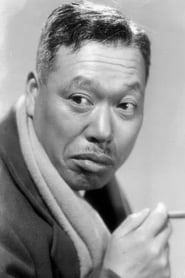
志村喬
志村喬
Kanji Watanabe
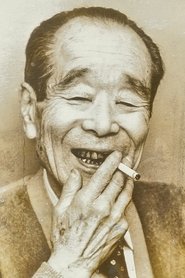
田中春男
田中春男
Sakai
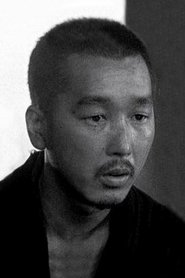
金子信雄
金子信雄
Mitsuo, son of Kanji
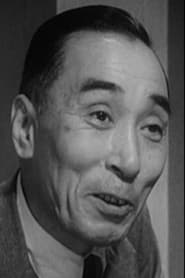
左卜全
左卜全
Ohara
小田切みき
小田切みき
Toyo
日守新一
日守新一
Kimura
千秋実
千秋実
Noguchi
山田巳之助
山田巳之助
Subordinate Clerk Saito
藤原釜足
藤原釜足
Sub-Section Chief Ono
小堀誠
小堀誠
Kiichi Watanabe, Kanji's Brother

スタッフ・制作会社

監督: 黒澤明

脚本: 黒澤明 / 橋本忍 / 小国英雄

音楽: 早坂文雄

制作: 本木荘二郎

撮影監督: 中井朝一

制作会社: TOHO

TMDB ユーザーのレビュー

CinemaSerf
CinemaSerf
★ 7

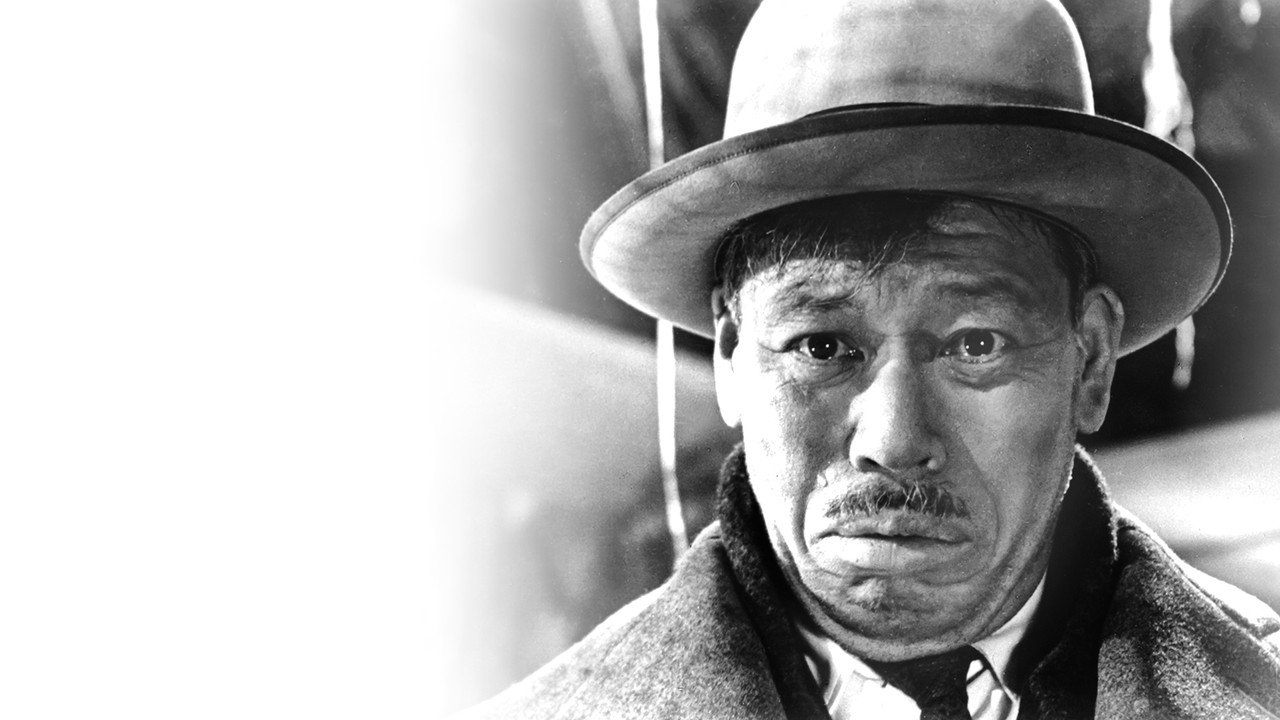
Takashi Shimura is "Watanabe", an elderly civil service lifer who is told that he has terminal stomach cancer. After years of a disciplined, rather pedestrian existence he now feels a need to emancipate himself and start to live a little. The story is told through two threads: one looks at the end of the old gent's life from his own perspective; the second takes a retrospective view from the wake as his family and colleagues gather to remember him. Kurusawa is clearly making a point with this delicate, poignant film - perhaps life needs to be appreciated and enjoyed - not necessarily in a jovial, happy fashion, but by achievement. In this case "Watanabe" sets about using his position to help locals get a park, but he also starts an empowering relationship (platonic) with a younger girl, who is quite keen on her food, it has to be said. As his colleagues at the wake suffer from excesses of saké their traditionally stiff, reserved, view of their late friend becomes more of a tool to evaluate their own roles and purpose as they determine to be more like him.... The writing has plenty of humour and again, Kurosawa uses weather as a wonderfully potent instrument to create a great atmospheric feel to this gentle story of profound change, and - maybe - contentment.
Peter McGinn
Peter McGinn
★ 7

I watched the English follow-up version (Living) before watching this original, and wished I had reversed my order. I liked Living much more than this original, but since both were written by the same Japanese scriptwriter, my preference might be cultural rather than due to quality issues, not to mention the scriptwriter had come up with improvements through the intervening years. The club and bar scenes near the beginning seem to go on much longer than in the remake, or at least it felt like it! And the same for the later scenes with the young woman. Then again, that wouldn’t be surprising since this older version is 40 minutes longer. Still, the differences in the details based on the separate cultures are interesting to note, and I recommend both versions, though I would start with the older one as I mentioned above.

badelf
badelf
★ 7

Typical Kurasawa creative framing in the beginning of the movie. The scene of dancers shot through bead curtains swinging in time to the music was brilliant. His choice of Miki Odagiri for muse is brilliant. Her laugh is infectious. The last act stuck me as rather static. It's perhaps from cultural mores about the dead I don't understand (like the taboo of not ever sticking your chopsticks into the rice bowl!). Kurasawa waxes philosophical on life and government here, and indeed, nothing has changed in 70 years.

おすすめの作品