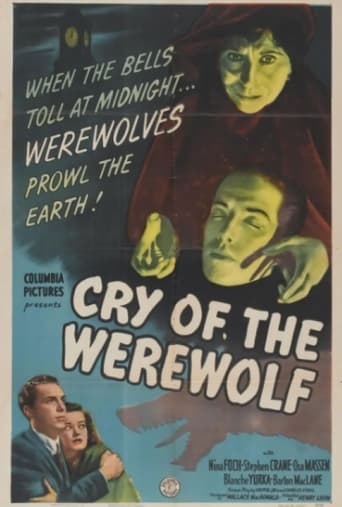
Cry of the Werewolf
あらすじ
No synopsis available.
No synopsis available.
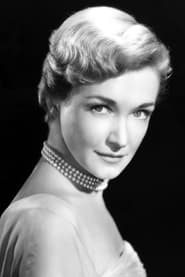
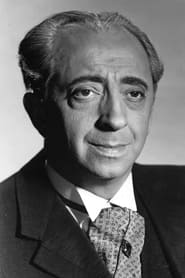
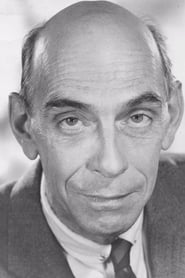
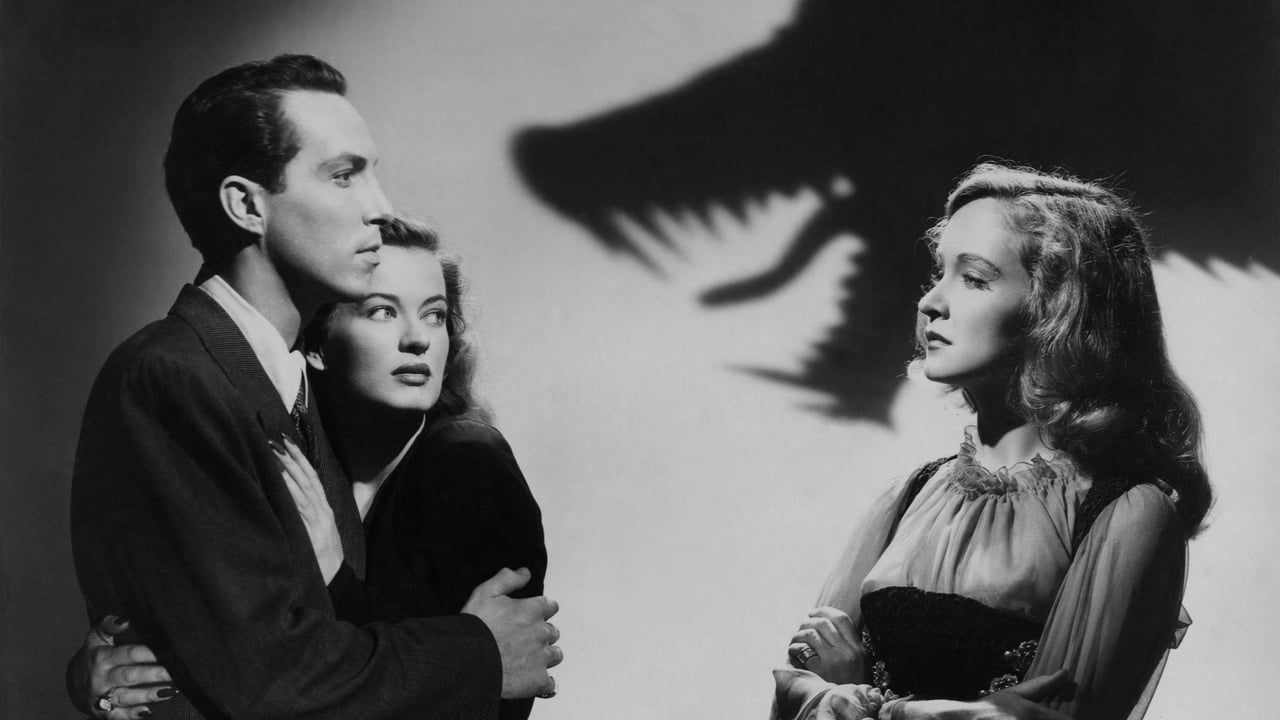
Columbia Pictures did not really embrace the horror genre in the 1940s in the way that Universal, and to a lesser extent, RKO did. They did produce Return of the Vampire (1943) which proved a good showcase for Bela Lugosi in one of his few on-screen vampire roles and a had a couple of eerie scenes as well as a very talkative tormented werewolf. Cry of the Werewolf is one of the very few other explorations in horror the studio attempted and it notably avoids the tormented werewolf trope of Lon Chaney and instead encases the lycanthrope lineage in the women of an extended family of gypsies. This provides for some interesting if historically dubious extrapolation of the history and plight of gypsy people in the United States. Though presented as very much the villains from the earliest scenes the gypsy community is well delineated with much discussion of their burial practices and annual ceremonies (how much of this is historically accurate I cannot attest.) The werewolf itself is a large dog, not even a wolf, with rubber band around its snout to make it snarl and bare its teeth constantly. It is shot well as its shadow it cast through the corridors of the underground vault of a funeral parlour, the film’s most effective scene, echoing stalking sequences from the Val Lewton Cat-People (1942). As with many studio films of the period only the core cast is listed, in this instance five people, though there are many other supporting players in speaking parts who go uncredited. Of particular note is John Abbott as the museum guide. He has one of those wonderful voices that is intimate but full of clarity and he must have been an exceptional speaker of verse. The fate of his character is disturbing, unexpected and very well played. His equal is Fritz Leiber who has an almost spiritual air, a cadence that could almost be of another world. He is superb in small roles in Phantom of the Opera (1943) as Franz Liszt and Angel on My Shoulder (1946) as the dead chemist who poisoned his young and unfaithful wife. Here he gets to provide extended exposition but does so in an unforced, natural manner. Good performances are also in evidence from Osa Masson and Nina Foch. In the end this is very much a second feature of the period but directed with some skill and attention to small details of performance and production. For that reason it manages to endure far better than many of its peers.
Nina Foch is quite efficient in this run-of-the-mill drama. She is a gypsy princess "Celeste", whom, we learn quite early on, has an interestingly carnivorous diet! Now I suppose what lets this down is that, from a creative perspective, the use of an actual beastie rather than a costume-clad person robs it of something. I could imagine someone like Rudd Weatherwax just out of shot calling the real shots. As it is therefore, it's all a rather formulaic story. The production is eerily photographed but that might have had as much to do with lack of budget as with artistic intent. It's only an hour and there are a few redeeming features to sustain it - some clever use of shadow and the ever reliable Barton McLane as pursuing copper "Lane", but for the most part it falls short on the creepy front and is pretty indistinguishable from so many others made during the War.