タイム・オブ・ザ・ウルフ
あらすじ
No synopsis available.
作品考察・見どころ
興行成績
製作費: $9,966,600 (15億円)
興行収入: $499,149 (1億円)
推定収支: $-9,467,451 (-14億円)
※製作費・興行収入はTMDBのデータを参照しています。収支は(興行収入 - 製作費)で算出したFindKey独自の推定値であり、広告宣伝費や諸経費は含まれません (1ドル=150円換算)。
No synopsis available.
製作費: $9,966,600 (15億円)
興行収入: $499,149 (1億円)
推定収支: $-9,467,451 (-14億円)
※製作費・興行収入はTMDBのデータを参照しています。収支は(興行収入 - 製作費)で算出したFindKey独自の推定値であり、広告宣伝費や諸経費は含まれません (1ドル=150円換算)。
監督: ミヒャエル・ハネケ
脚本: ミヒャエル・ハネケ
制作: Margaret Ménégoz / Michael Katz / Veit Heiduschka
撮影監督: Jürgen Jürges
制作会社: Les Films du Losange / Wega Film / Bavaria Film / France 3 Cinéma / ARTE France Cinéma / ORF / BR / ARTE
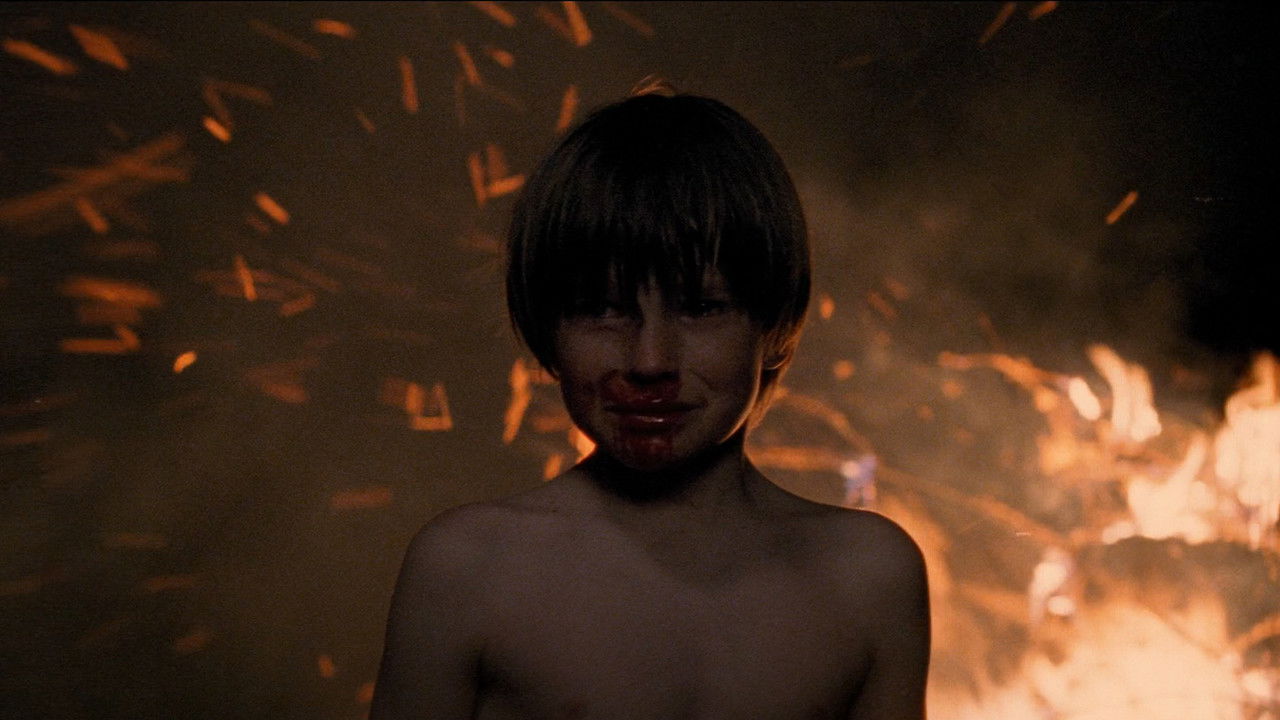
To be honest, I was expecting something just a bit more substantial from auteur Michael Haneke as he takes a distinctly French approach to apocalyptic drama. Suffice to say that the human economy and infrastructure have largely collapsed and the land is being run by lawless individuals - some violent and exploitative, others just fighting for their own survival and it’s that latter category that “Georges” (Daniel Duval), wife “Anne” (Isabelle Huppert) and their kids “Eva” (Anaïs Demoustier) and “Ben” (Lucas Biscombe) find themselves. For a reason that isn’t exactly clear, they have left their home in the city to come to their remote cabin - only to find it has a new set of squatters who murderously thin out the father from the family and send the others packing with nothing but the clothes they stand up in. Over the course of the next couple of hours we see them struggle to stay alive as they encounter others in similar predicaments across this rural community where many are scavenging whilst waiting for a train. Where to? Will it come? Will they all manage to survive long enough to find out? Will they even get on it if it does? I had two problems with this film, really. Firstly - far too much of it is shot in the pitch black. That does, to an extent, add a degree of menace for a while but as more and more of the pivotal action seems to happen at night, I found it harder and harder to follow who was doing what, or stealing what, from whom. Then there’s the constant childish screaming. Authentic and plausible, no doubt - but under the fingernail grating after half an hour as the children insist on doing their own thing and causing a predictable degree of ensuing chaos. Huppert does enough, as does Hakim Taleb as the resourceful urchin who has his head very much more screwed on that most and there are a fair degree of scenes that might make you squirm as modern day morals and scruples are thrown to the (metaphorical) wolves. Sadly, this isn’t particularly innovative nor are any of those folks really worth bothering about as we see the more manipulative and venal aspects of human society in the ascendency and I found I really wasn’t too interested in whether they survived or not. More wattage next time, please, Michael. I’m not a mole.