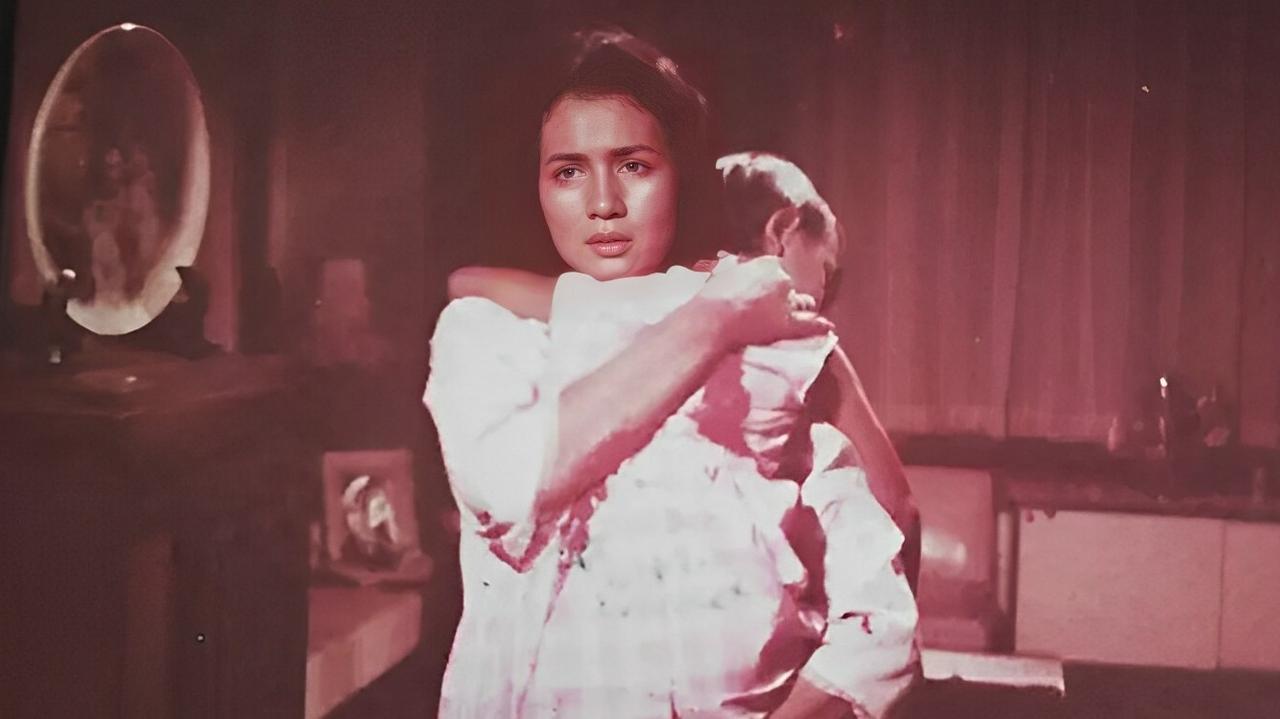
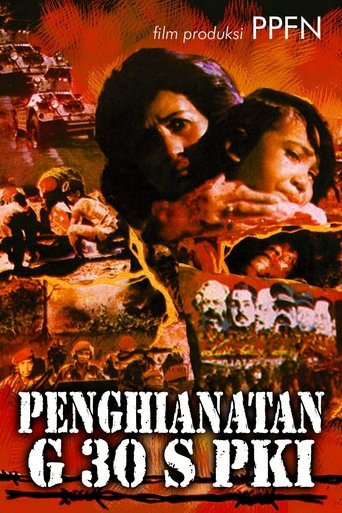
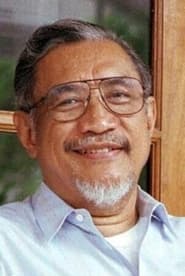
**Pengkhianatan G30S/PKI** (literally _Treachery of G30S/PKI_) is a 1984 Indonesian docudrama written and directed by Arifin C. Noer, produced by G. Dwipayana, and starring Amoroso Katamsi, Umar Kayam, and Syu'bah Asa. Produced over a period of two years with a budget of Rp. 800 million, the film was sponsored by Suharto's New Order government. It was based on an official history of the 30 September Movement (_Gerakan 30 September_, or _G30S_) coup in 1965 written by Nugroho Notosusanto and Ismail Saleh, which depicted the coup as being orchestrated by the Communist Party of Indonesia (_Partai Komunis Indonesia_, or PKI).
The film depicts the period leading up to the coup and several days after it. In a time of economic turmoil, six generals are kidnapped and killed by the PKI and Air Force, purportedly to preempt a coup against President Sukarno. General Suharto destroys the coup and, afterwards urges the Indonesian populace to commemorate those killed and fight against all forms of communism. The film shows the G30S leadership as ruthless and planning "every move to the last detail", taking joy in using excessive violence and torturing the generals, depictions which have been read as portraying "the state's enemies as outside the realm of the human".
The first commercially released domestic feature film to deal with the events of 1965,[3] _Pengkhianatan G30S/PKI_ was a commercial and critical success. It was nominated for seven awards at the 1984 Indonesian Film Festival, winning one, and reached record viewership numbers – although in many cases audiences were required to see the film. It continued to be used as a propaganda vehicle by the New Order government for thirteen years, televised annually on 30 September and becoming mandatory viewing for students. After the fall of Suharto in 1998, the film has seen reduced propaganda use. Although the film's artistic aspects remain well-received, its propagandic nature and misrepresentation of history has been criticised.