پرده
あらすじ
No synopsis available.
予告・トレイラー
スタッフ・制作会社
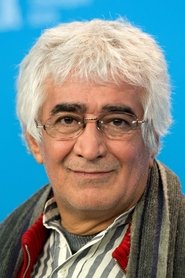
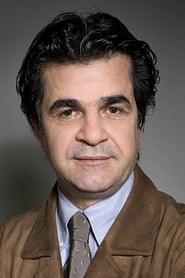
監督: ジャファル・パナヒ / Kambuzia Partovi
脚本: ジャファル・パナヒ
制作: Hadi Saeedi / ジャファル・パナヒ
撮影監督: Mohammad Reza Jahanpanah
制作会社: Jafar Panahi Productions
No synopsis available.
監督: ジャファル・パナヒ / Kambuzia Partovi
脚本: ジャファル・パナヒ
制作: Hadi Saeedi / ジャファル・パナヒ
撮影監督: Mohammad Reza Jahanpanah
制作会社: Jafar Panahi Productions
Kambuzia Partovi plays a writer who just wants to get away from it all. To that end, he rents a house by the sea, blacks out the windows and settles down to address what is clearly his writer's block - with only his small (and banned) pet dog for company. When he hears noises outside, he investigates only to find that a young couple have managed to get into the place. He demands that they go, but they plead sanctuary from the pursuing police as they were caught at a prohibited barbecue on the beach. It’s only going to be until the lad (Hadi Saeedi) goes to get a car, so he agrees to allow his sister “Melika” (Maryam Moghadam) to take a shower and wait. What is soon clear is that she is in no hurry to go, nor is she any respecter of him, his desire for privacy nor his need to focus on his work. She gets under his (and our) finger nails but then, in the morning, who should show up but Jafar Panahi himself. What’s he got to do with things? Why can't he see the girl? Why are he and the writer never in shot at the same time? Is this a ghost story? Is it something altogether more psychologically oppressive? I didn’t love this film. The first half hour works well in delivering a claustrophobic sense of the persecuted - not just the blackouts, but the fact that the author is terrified about the authorities finding his pooch. Once we pass that intensive stage of the drama and, indeed, it becomes more of an actual drama I found myself losing interest. Clearly Panahi wants to point out the restrictive nature of the regime and it’s bondage of the creative arts, but this one is a little too repetitious; there are far too many lingering static shots or people going up and down the stairs and Panahi himself mooches around trying to present himself as some sort of ill-defined conduit between what might be real and what might not. There’s not a great deal of dialogue which does allow us to infer liberally from what we see, but it also leaves us to do just a bit too much of the interpretive heavy lifting for ourselves.