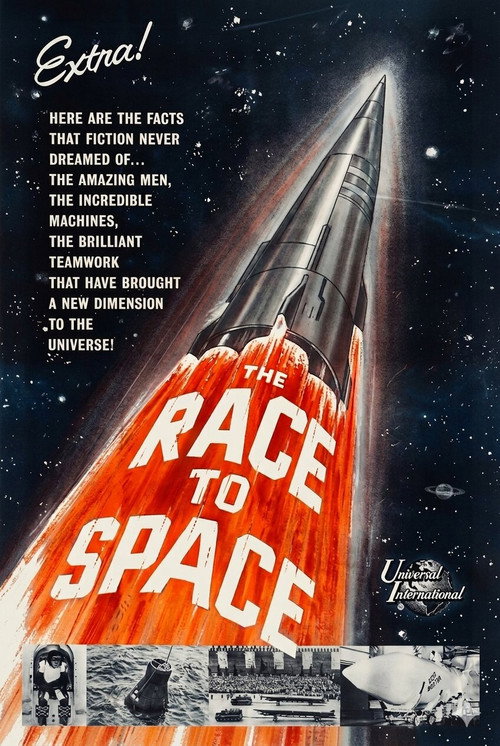
The Race for Space
あらすじ
No synopsis available.
スタッフ・制作会社
口コミ
あなたの評価を記録する
TMDB ユーザーのレビュー
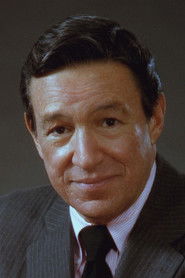
Pictures of the launch of the Soviet Sputnik I from 1957 are merged into some images more likely to feature in the titles of the "Outer Limits" as narrator Mike Wallace introduces this documentary about what is really more to do with the development of the rocket than the race for space. Historically, our modern day search for other life and other worlds was developed in the late 19th century by the Russian scientist who gave his name to the Sputnik ("friendly traveller") programme. His granddaughter briefly presents some of his scientific theory. That theory was developed further under American Prof. Robert Goddard who proposed using rockets to escape the gravity of the planet. His widow - who also did much of the impressive filming of his elementary rocket building - gives an interview addressing some of the criticism he received at the time and she also suggests that the Germans were keeping an eye on his developments. There, Dr. Oberth heads up a group of enthusiasts who included a young and enthusiastic Werner von Braun and many of their frankly hilarious filmed experiments show up here. Luckily for them, Fritz Lang came along and asked them to be his technical advisors on his forthcoming "Frau im Mond" film in 1929. It was here that the concept of counting down to zero was introduced. Ultimately, their "Rocket Club" still went bust. The Nazis arrived shortly afterwards to militarise the rockets and the space travel elements were largely abandoned in favour of the V1 and V2 which much of the rest of this segment focusses upon. Hitler decides to abandon the whole project (after a nightmare apparently!) but his scientists didn't give up and they made a movie to demonstrate to him. He was hugely impressed and promptly changed his mind to devastating results for London. When the war ended, the Americans started "Operation Paperclip" to try and cannibalise something from the ruined V2 construction facilities, and to track down some of the brains behind the missile technology. With Von Braun amongst them, over 100 personnel moved to the US to further develop their own guided missile programme culminating in the launch into orbit of "Explorer 1" satellite. This documentary provides quite an interesting look at the development of the powered projectile, but it disappoints on the delivery of a narrative about space. Sure, there are some hitherto unseen images of rocketry in both the USA and the USSR, and we do see "Dezik" before she headed into space - the first living thing to orbit the earth. The last twenty minutes, though, is essentially a parade of filmed rocket launches accompanied by an increasingly pro-American and over-effusive narration that struggled to provide anything like enough archive to sustain this hour running time. Ultimately, it descends a little too much into propaganda and a commentary on the reluctance of the US authorities to match the spending and prioritisation of their rivals in Europe.