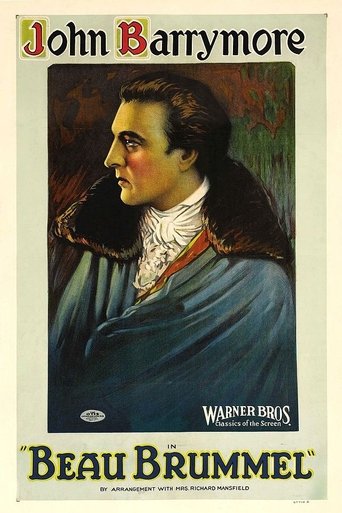
Beau Brummel
あらすじ
No synopsis available.
興行成績
製作費: $343,000 (1億円)
興行収入: $495,000 (1億円)
推定収支: $152,000 (0億円)
※製作費・興行収入はTMDBのデータを参照しています。収支は(興行収入 - 製作費)で算出したFindKey独自の推定値であり、広告宣伝費や諸経費は含まれません (1ドル=150円換算)。
No synopsis available.
製作費: $343,000 (1億円)
興行収入: $495,000 (1億円)
推定収支: $152,000 (0億円)
※製作費・興行収入はTMDBのデータを参照しています。収支は(興行収入 - 製作費)で算出したFindKey独自の推定値であり、広告宣伝費や諸経費は含まれません (1ドル=150円換算)。
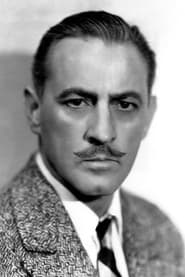
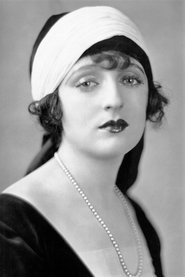
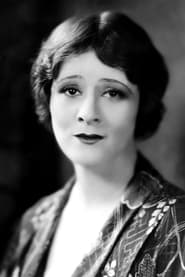
"George Byron Brummel" (John Barrymore) is a soldier and not an especially significant one at that. He falls in love with the "Lady Margery" (Mary Astor) and though she reciprocates to an extent, she's not prepared to sacrifice her status to marry him so instead marries the "Lord Alvanley" (William Humphrey) and leaves her erstwhile paramour to the life of a bit of a libertine. The best way to achieve success at doing very little is to attach oneself to one even better at it, and so he engineers a meeting with the Prince of Wales (Willard Louis) and soon the pair are firm friends and "George" - now widely called "Beau" is holding court in a regal splendour all of his own. Gradually he acquires enemies at court and begins to over-play his hand. He racks up debts and philanders to the point where his royal patron starts to tire of his toy and, after a rather rash retaliatory comment to the Prince one day, "Beau" is abandoned to his multiple creditors, That causes him to flee to the relative safety of France, but clearly clearly his goose is starting to look cooked and he is increasingly reliant on the loyalty of his manservant "Mortimer" (Alec B. Francis) and on the charity of his few remaining friends in Britain. A potential reconciliation between the two seems possible when the now King George III visits France, but pride and rancour put paid to that and condemn poor old "Beau" to a decline that is anything but beautiful. Harry Beaumont takes his time with this drama and that helps develop the quite complex character of "Brummell". We see ambition and shallowness from Barrymore's performance, but we also see a shrewdness and a sort of perverse type of loyalty and humanity as he grows older and more considered. Astor delivers well too - she imbues her character with a combination of stoicism and emotion well. On the downside, though the Prince was reputedly quite a dandy character, I felt Louis rather overplayed that here at times. The two men still give us a decent dynamic when both are in full pomp, though. There's also a strong ensemble supporting cast that demonstrate well the foppishness of the court and the contrasting poverty endured by those who (not so) cheerily waved their flags and cheered. The last twenty minutes is poignant with some well executed special effects conveying the conclusion to us and those on screen to another place. As ever with lengthy silent films, you have to admire the musicians who read the contours of the film and accompany it so skilfully and here, we have some considerable artistry from the set designer and costumier too in the ultimate story of reaping what you sow!