FindKey

FindKeyは、100万件を超える映画・ドラマ作品、そして数百万人の人物データと独自の16類型CTI診断を統合した、日本初の感情特化型映画レコメンドエンジンです。

Find (見つける) + Key (鍵・正解)

映画に限らず、人生のヒントを見つける場所です。

FindKeyについてロケ地 (試験中)利用規約プライバシーポリシーお問い合わせ
© 2026 Bennu Inc.TMDB Logo

本サービスはTMDB APIを利用していますが、TMDBによる推奨・認定を受けたものではありません。

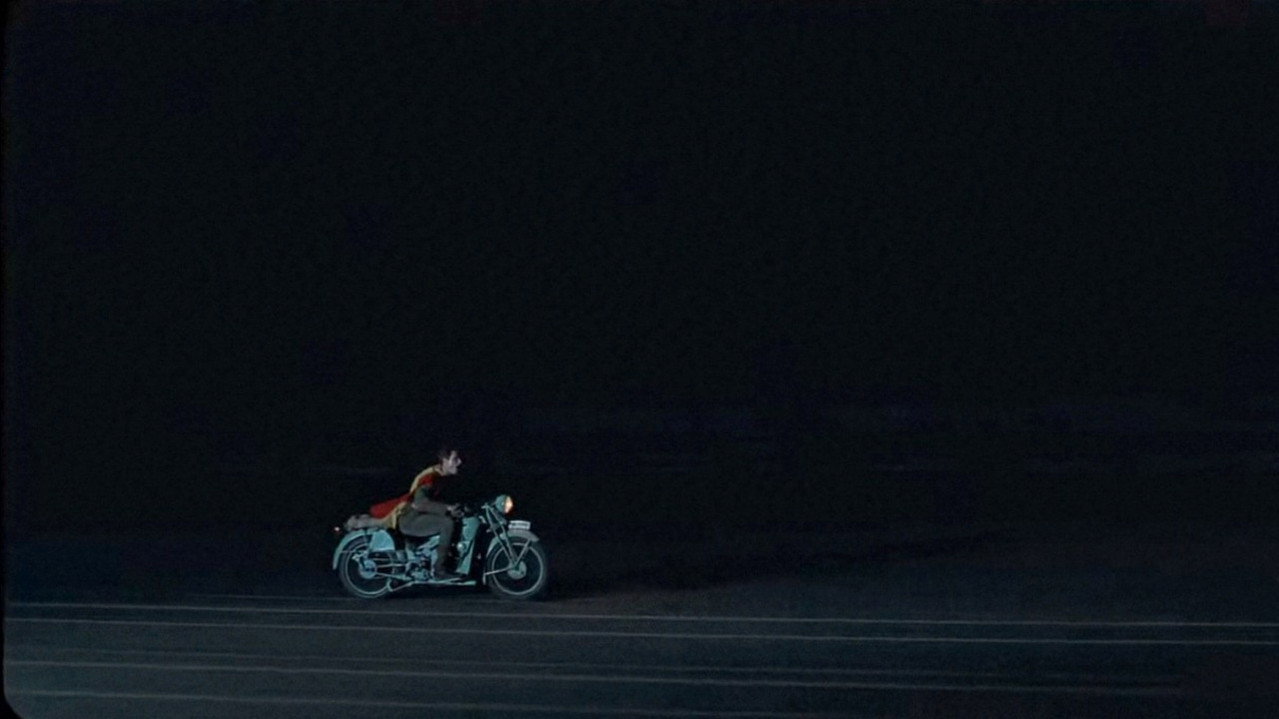
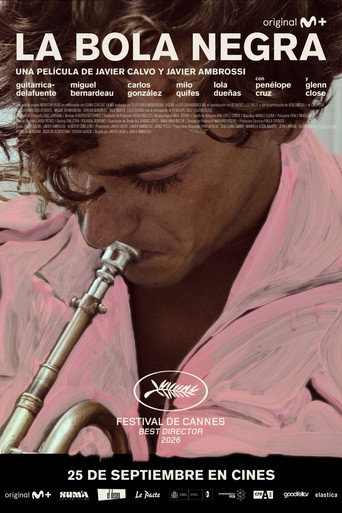
La bola negra
La bola negra

La bola negra

2026★ 0.0ドラマ

あらすじ

No synopsis available.

作品考察・見どころ

AIが作品の魅力を深く読み解いています

スタッフ・制作会社

監督: Javier Ambrossi / Javier Calvo

脚本: Javier Ambrossi / Javier Calvo / Federico García Lorca

音楽: Raül Refree

制作: Javier Calvo / Javier Ambrossi

撮影監督: Gris Jordana

制作会社: Movistar Plus+ / Suma Content / Le Pacte / El Deseo / Atresmedia Cine

口コミ

あなたの評価を記録する

キャスト

Guitarricadelafuente
Miguel Bernardeau
Miguel Bernardeau
Carlos González
Carlos González
No Image
Milo Quifes
Lola Dueñas
Lola Dueñas
ペネロペ・クルス
ペネロペ・クルス
グレン・クローズ
グレン・クローズ
Lorenzo Zurzolo
Lorenzo Zurzolo

TMDB ユーザーのレビュー

Nadia Brizuela
Nadia Brizuela

Revisiting La Bola Negra means reopening a wound within Spanish literature. The four unfinished pages left by Federico García Lorca before his assassination stand as the silencing and censorship of a voice confined to the avant-grade. His attempts to give greater recognition and importance to themes such as identity and free expression were violated during the Spanish Civil War. From an artistic perspective, this event may symbolize the fate of characters whose stories were never fully developed; in this sense, reality itself can function as a conclusion to what fiction could not complete. So, does this mean the work is truly unfinished, or does it simply lack a written ending? Some artists, like Alberto Conejero, attempted to provide an answer by continuing the work through uchronia, ultimately bringing it to the stage. However, even such a compelling interpretation did not prevent others from adopting it as a definitive ending, opening the door to further reinterpretations. Which raises the question: how many times can a work be “completed” before it ceases to belong to its original author? Far from resolving the issue, Javier Ambrossi and Javier Calvo add another layer by translating the work into a new language: cinema. Their trajectory, shaped by stories centered on identity and self-expression, positions them as fitting figures to revisit the ideas Lorca once defended. To take Lorca as a cultural reference and place him within contemporary cinema is a bold and risky move. It questions whether completing a work with a symbolic ending can truly honor the author’s ideological struggle, or if it ultimately betrays its very condition of incompleteness. Through their lens, Los Javis spark discussion by daring not only to complete the work, but to revisit it with care and precision, creating a cinematic bridge between the tragedy of 1936 and the memory of 2026. In a time where ideas are constantly reimagined and challenging. In the case of La Bola Negra, Ambrossi and Calvo take on the responsibility on adaptation, leading to one final question: **Can a work remain faithful to itself without being completely transformed by its interpretations?**

おすすめの作品