
The Kingdom

あらすじ
No synopsis available.
予告・トレイラー
原作・関連書籍
映画化された原作や関連書籍を読んで、映像との違いや独自の世界観を楽しみましょう。
No synopsis available.
映画化された原作や関連書籍を読んで、映像との違いや独自の世界観を楽しみましょう。
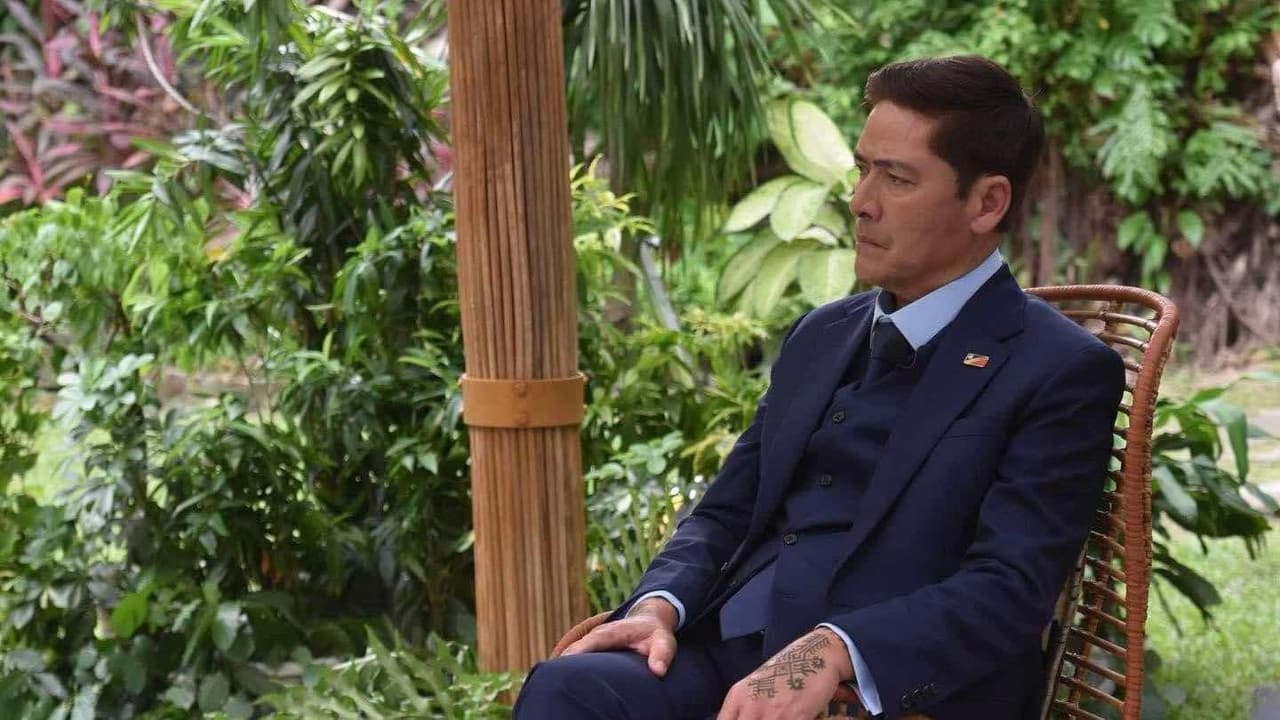
# «The Kingdom» (2024): A World Where the Philippines Never Existed --- «The Kingdom» (2024) is set in a world where the Republic of the Philippines was never conquered by Western imperialists. Instead, the archipelago stood united under a central monarchy—the "Kingdom of Kalayaan". ("Kalayaan" means freedom in Filipino.) It reimagines a version of history many Filipinos have long dreamed of—a world where our islands successfully repelled foreign invaders, preserving the values that once defined us: equality, equity, compassion, and respect for diversity and neurodiversity. A reality without anti-LGBT prejudice, without slavery, and where divorce is part of societal balance. Traditions and systems that Western colonisers erased or rewrote to fit their own narratives. Now, this is a review, not a spoiler so let's get right into it. ## Fight Scenes Let's be honest: the fight scenes need serious improvement. Watching them felt like watching a slow-motion training reel rather than a life-or-death clash. Movements lacked weight, and the rhythm was too sluggish to sell the intensity of real combat. The overuse of zoom-in shots did not help either (a common trick to hide the lack of impact by diverting attention to movement instead of connection). This was especially noticeable in the final battle sequence (no spoilers, of course). That said, there is one exception. The second-to-the-last fight was slow for a reason and it worked. It carried a ceremonial tone, almost like a ritual dance between two warriors. That is where the pacing felt purposeful, not awkward. If only the same level of attention was given throughout. A bit more budget and choreography refinement could have turned those duels into something memorable. ## Spoken Language Now, this part deserves applause. The dialogues were clean, properly structured, and beautifully delivered. The actors used the right words in the right places, avoiding the exaggerated diction often heard in teleserye (Philippine TV series). As someone familiar with many of the older terms used, it was refreshing to hear those nearly forgotten words come alive again. It added authenticity, something rarely achieved in modern Filipino productions. ## Names and Written Language Here is where things start to so-so a bit. For a film set in a world untouched by Western colonisation, the names and scripts used felt oddly… foreign. Why is there a character named Felipe? Why Dayang _Lualhati_ instead of the native Dayang _Luwalhati_? And why is Latin script still the dominant writing system? Think of how Korea, Japan, and China maintained their native scripts as cultural anchors. Even Thailand—which was also colonised—still uses its native alphabet proudly. If «The Kingdom» truly envisioned an uncolonised Philippines, it would make sense for Baybayin, or perhaps a modernised 21st-century version of it, to be the national script. That detail alone could have elevated immersion tenfold. It would have grounded the Kingdom of Kalayaan as a civilisation distinctly its own, not just a Southeast Asian monarchy that "looks free" but still borrows its image from foreign cultures. Even the palace design leaned more Thai or Indian than Filipino. Beautiful, yes, but a little detached from what the film's premise promised. ## The Use of "Mabuhay" This one caught me off-guard. In our real-world Philippines, "Mabuhay" carries deep national sentiment. It is a rallying word born from post-colonial pride, meant to uplift and celebrate Filipino identity. But in a world where colonisation never happened, its symbolic weight would not have evolved in the same way. Hearing it used similarly in the film felt… out-of-place. It is a small detail, but a telling one. It hints at how even this alternate "Philippines" could not quite escape the shadow of our colonised history. ## Verdict Despite its flaws, «The Kingdom» remains an ambitious and heartfelt piece of alternate history. Its worldbuilding carries the kind of what-if many Filipinos quietly imagine: what if our history went differently? What if we never had to unlearn who we were? For all its imperfections, the film delivers that spark of imagination. 8⭐ out of 10 It is not perfect, but it is meaningful, and that is what makes it worth watching.