The Shadow Scholars
あらすじ
No synopsis available.
No synopsis available.
監督: Eloise King
制作: スティーヴ・マックイーン / Eloise King / Anna Smith Tenser
制作会社: BFI / Film4 Productions / Lammas Park / White Teeth Films / Field of Vision / Doc Society
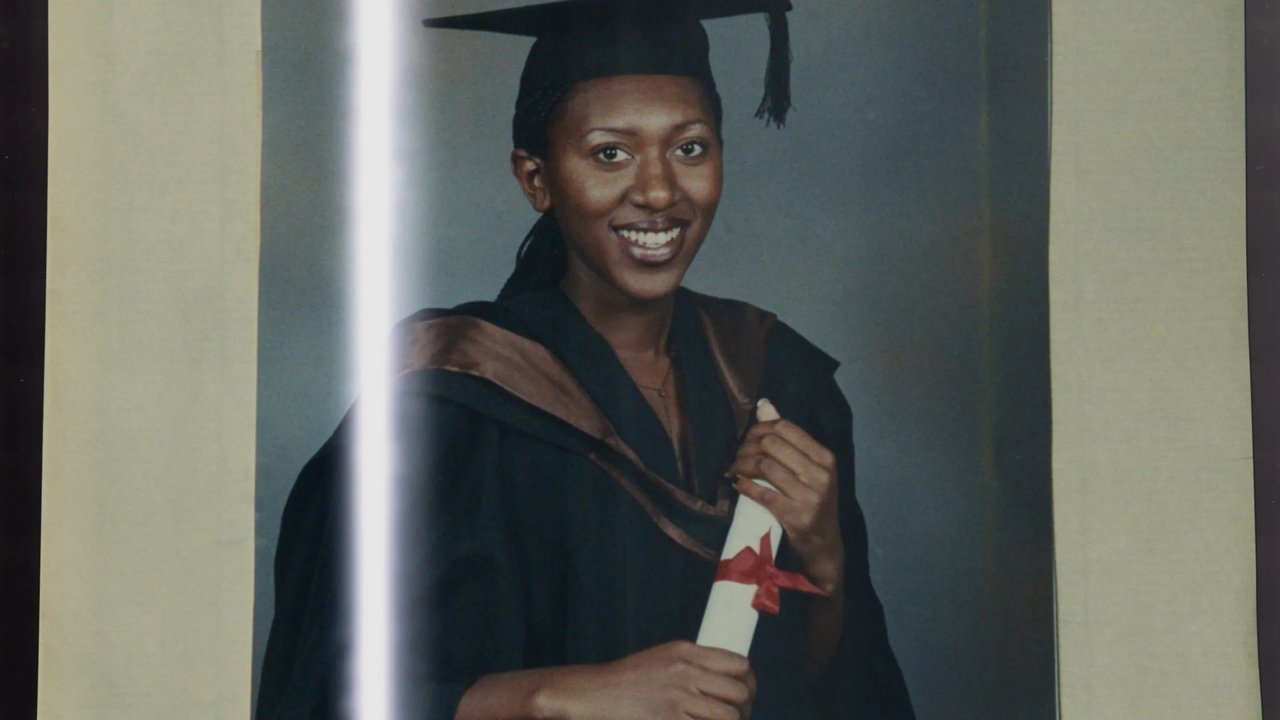
Professor Patrician Kingori is a senior professor of sociology at the University of Oxford, and in this overlong documentary she investigates the growing use of surrogate brains to write coursework for those too lazy\busy or just plain unskilled to do it for themselves. Her study focuses on Kenya. A nation where there are many academically qualified individuals who cannot find work, and so who are somewhat entrepreneurially offering their services online to others. Now we are not talking about life changing sums, here. A few dollars per page and of course there are the middle men who take the bulk of that, but what becomes quite clear is that many of those doing the cerebral heavy lifting need the money, sure, but they also thrive on an intellectual stimulation they wouldn’t originality enjoy. Of course they appreciate that they are facilitating cheating, but as one of them asks: is what they are doing unethical or are they merely providing a service and it’s the client who must make the ethical choices? Now obviously we don’t have any of the commissioners of their work to talk to, and that’s where I felt this rather disappointed. It sets about using colonial archive and issues of race to suggest that this is the latest exploitation of African people at the hands of the “West”, without being able to substantiate any of it’s assertions. Who is to say that those buying the essays are not African Americans, or Asian Brits, or Korean students studying in Paris? Moreover, given the complexities of the payment methods employed there is no way to evidence to the buyers where the work is emanating from. It could be Kenya, it could be Kentucky, it could be Kilmarnock. Ethics is mentioned frequently as if it were a thing. A fixed point on a map. Perhaps the broader ethics that might have made for more meaningful discussion is the assumption that academia is a means to an end in itself. Why are so many Kenyans overqualified? Why can’t they find work? Is that because there are simply too many with the same skills or is maybe because there are too few with the right skills? Has a university education merely become a right of passage? A symbol of attainment rather than relevance to the job market? In the USA or the UK where the emphasis on the value of vocational skills and apprenticeships has long been suffocated by the pretence of a college degree, we find now that most of us can’t even wire a plug, or change a lightbulb. What use are theoretical qualifications in a developing nation where being able to do things as opposed to write and talk about them is far more valuable? Maybe the more pertinent ethical questions here are that the hangovers of colonialism, and the internal political conflicts that so often ensued, were replaced by more modern day aspirations that have very limited practical application and are, in any case, precursors to the advancement of AI which will probably render most of us redundant anyway. Personally, I thought the Kenyan graduates interviewed to be people who had their priorities for themselves and their families spot on, and quite rightly Professor Kingori doesn’t ask them if they feel they are exploiting the bone idle, thick as mince, folks who can afford to pay. It touches on a myriad of interesting topics, but for me it seems to have a point to make that has little to do with the cheating nor of the legitimacy of what is essentially a process of supply and demand nor of the swathes of graduates whose qualifications aren’t worth the embossed cardboard they are printed on. Fifty minutes and a better defined ambit might have helped.