FindKey

FindKeyは、100万件を超える映画・ドラマ作品、そして数百万人の人物データと独自の16類型CTI診断を統合した、日本初の感情特化型映画レコメンドエンジンです。

Find (見つける) + Key (鍵・正解)

映画に限らず、人生のヒントを見つける場所です。

FindKeyについてロケ地 (試験中)利用規約プライバシーポリシーお問い合わせ
© 2026 Bennu Inc.TMDB Logo

本サービスはTMDB APIを利用していますが、TMDBによる推奨・認定を受けたものではありません。

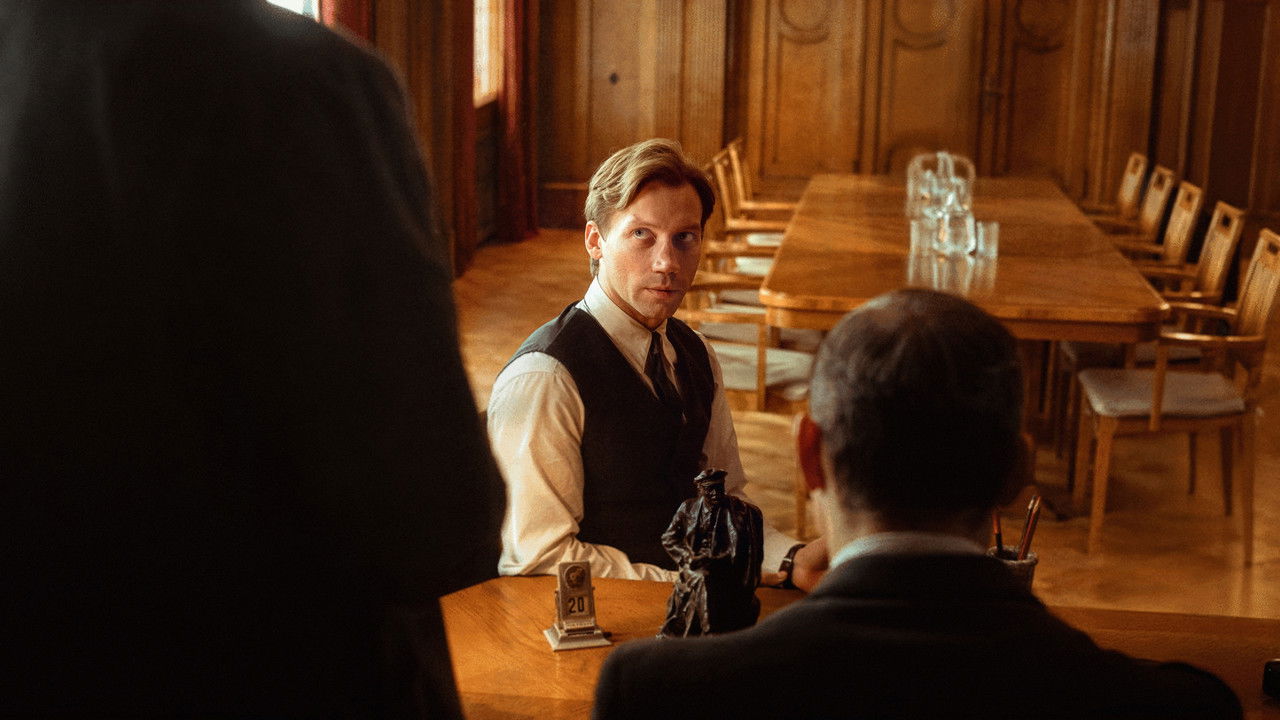
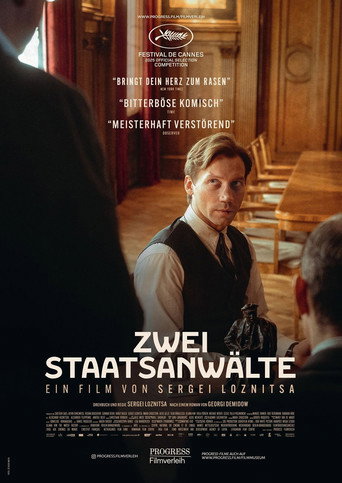
Zwei Staatsanwälte
Zwei Staatsanwälte

Zwei Staatsanwälte

20251h 58m★ 6.9ドラマ謎スリラー履歴

あらすじ

No synopsis available.

予告・トレイラー

作品考察・見どころ

AIが作品の魅力を深く読み解いています

口コミ

あなたの評価を記録する

キャスト

Александр Кузнецов
Александр Кузнецов
Kornev
Александр Филиппенко
Stepniak and the Man with the Wooden Leg
Анатолий Белый
Анатолий Белый
Vyshynsky
Andris Keišs
Andris Keišs
The Deputy
Vytautas Kaniušonis
Vytautas Kaniušonis
Prison Director
Valentin Novopolskij
Chatterbox
No Image
Ivgeny Terletsky
Old Prisoner
No Image
Orests Paško
Corridor Guard
Valerijus Jevsejevas

スタッフ・制作会社

監督: Сергей Лозница

脚本: Сергей Лозница / Georgy Demidov

音楽: Christiaan Verbeek

制作: Kevin Chneiweiss / Сергей Лозница / Carmen Rizac

制作会社: SBS Productions / Atoms & Void / LOOKSfilm / White Picture / Avanpost / Studio Uljana Kim / The Match Factory / ARTE / RBB

TMDB ユーザーのレビュー

Brent Marchant
Brent Marchant
★ 1

Trust and idealism are certainly noble qualities, but, when taken too far, they can easily morph into naivete and gullibility. And those qualities, in turn, can carry seriously devastating consequences. But what I have difficulty understanding is why anyone would legitimately want to make a film showcasing such an unengaging, uninspired outcome. Is it supposed to be taken as a cautionary tale? A tragedy of epic proportions? A case study of the consequences that come with not waking up in time to smell the coffee? What’s more, circumstances like this are made even worse when the victim in such a scenario can clearly foresee what lies ahead but still falls prey to it anyway. Is this supposed to enlighten us somehow? That’s hard to fathom when we can’t help but see what’s coming (even if the protagonist is unable or unwilling to do so). If you can imagine that, then you have a pretty good idea of what’s behind this patently obvious historical drama from writer-director Sergey Loznitsa. Set in the USSR in 1937 at the height of Josef Stalin’s political tyranny, the picture tells the story of an idealistic young prosecutor (Alexander Kuznetsov) responsible for investigating the complaints of everyday comrades whose “rights” (if they can even be called that) have been violated by the state, particularly operatives of the NKVD, the nefarious Soviet secret police. When he learns that unspeakable abuses have been rampantly doled out against longtime loyal Communist Party members – many of them older, diehard Bolsheviks who truly believed in and fought for the promises of Vladimir Lenin’s revolutionary ideology – he courageously takes up their cause, it being one that he, as a devoted Party himself, firmly supports. And, given the scope of what has been unfolding, he’s well aware of the perilous risk to his own well-being but forges ahead anyway, only to be surprised by the fate that awaits him. But how seriously can this be taken in light of the spot-on suspicions he harbors about what could lie ahead? Frankly, this is where the picture turns wholly implausible; it’s devoid of virtually all meaningful credibility and does little to foster genuine sympathy for its woefully naïve protagonist. Moreover, if this weren’t bad enough, the story plays out primarily through a series of long-winded, belabored conversations, dialogues connected by a series of mundane, exceedingly dull transitionary scenes that play out in tedious, painstaking, slow-motion detail. In short, there are no surprises here, and what does unfold on screen makes watching paint dry look captivating by comparison. Sadly, whatever honorable heroics are meant to be celebrated here are buried under a morass of boredom, predictability and an utter lack of common sense, leaving one wonder what the filmmaker was going for here in the first place.


Brent Marchant
Brent Marchant
★ 1

Trust and idealism are certainly noble qualities, but, when taken too far, they can easily morph into naivete and gullibility. And those qualities, in turn, can carry seriously devastating consequences. But what I have difficulty understanding is why anyone would legitimately want to make a film showcasing such an unengaging, uninspired outcome. Is it supposed to be taken as a cautionary tale? A tragedy of epic proportions? A case study of the consequences that come with not waking up in time to smell the coffee? What’s more, circumstances like this are made even worse when the victim in such a scenario can clearly foresee what lies ahead but still falls prey to it anyway. Is this supposed to enlighten us somehow? That’s hard to fathom when we can’t help but see what’s coming (even if the protagonist is unable or unwilling to do so). If you can imagine that, then you have a pretty good idea of what’s behind this patently obvious historical drama from writer-director Sergey Loznitsa. Set in the USSR in 1937 at the height of Josef Stalin’s political tyranny, the picture tells the story of an idealistic young prosecutor (Alexander Kuznetsov) responsible for investigating the complaints of everyday comrades whose “rights” (if they can even be called that) have been violated by the state, particularly operatives of the NKVD, the nefarious Soviet secret police. When he learns that unspeakable abuses have been rampantly doled out against longtime loyal Communist Party members – many of them older, diehard Bolsheviks who truly believed in and fought for the promises of Vladimir Lenin’s revolutionary ideology – he courageously takes up their cause, it being one that he, as a devoted Party himself, firmly supports. And, given the scope of what has been unfolding, he’s well aware of the perilous risk to his own well-being but forges ahead anyway, only to be surprised by the fate that awaits him. But how seriously can this be taken in light of the spot-on suspicions he harbors about what could lie ahead? Frankly, this is where the picture turns wholly implausible; it’s devoid of virtually all meaningful credibility and does little to foster genuine sympathy for its woefully naïve protagonist. Moreover, if this weren’t bad enough, the story plays out primarily through a series of long-winded, belabored conversations, dialogues connected by a series of mundane, exceedingly dull transitionary scenes that play out in tedious, painstaking, slow-motion detail. In short, there are no surprises here, and what does unfold on screen makes watching paint dry look captivating by comparison. Sadly, whatever honorable heroics are meant to be celebrated here are buried under a morass of boredom, predictability and an utter lack of common sense, leaving one wonder what the filmmaker was going for here in the first place.

Brent Marchant
Brent Marchant
★ 1

Trust and idealism are certainly noble qualities, but, when taken too far, they can easily morph into naivete and gullibility. And those qualities, in turn, can carry seriously devastating consequences. But what I have difficulty understanding is why anyone would legitimately want to make a film showcasing such an unengaging, uninspired outcome. Is it supposed to be taken as a cautionary tale? A tragedy of epic proportions? A case study of the consequences that come with not waking up in time to smell the coffee? What’s more, circumstances like this are made even worse when the victim in such a scenario can clearly foresee what lies ahead but still falls prey to it anyway. Is this supposed to enlighten us somehow? That’s hard to fathom when we can’t help but see what’s coming (even if the protagonist is unable or unwilling to do so). If you can imagine that, then you have a pretty good idea of what’s behind this patently obvious historical drama from writer-director Sergey Loznitsa. Set in the USSR in 1937 at the height of Josef Stalin’s political tyranny, the picture tells the story of an idealistic young prosecutor (Alexander Kuznetsov) responsible for investigating the complaints of everyday comrades whose “rights” (if they can even be called that) have been violated by the state, particularly operatives of the NKVD, the nefarious Soviet secret police. When he learns that unspeakable abuses have been rampantly doled out against longtime loyal Communist Party members – many of them older, diehard Bolsheviks who truly believed in and fought for the promises of Vladimir Lenin’s revolutionary ideology – he courageously takes up their cause, it being one that he, as a devoted Party himself, firmly supports. And, given the scope of what has been unfolding, he’s well aware of the perilous risk to his own well-being but forges ahead anyway, only to be surprised by the fate that awaits him. But how seriously can this be taken in light of the spot-on suspicions he harbors about what could lie ahead? Frankly, this is where the picture turns wholly implausible; it’s devoid of virtually all meaningful credibility and does little to foster genuine sympathy for its woefully naïve protagonist. Moreover, if this weren’t bad enough, the story plays out primarily through a series of long-winded, belabored conversations, dialogues connected by a series of mundane, exceedingly dull transitionary scenes that play out in tedious, painstaking, slow-motion detail. In short, there are no surprises here, and what does unfold on screen makes watching paint dry look captivating by comparison. Sadly, whatever honorable heroics are meant to be celebrated here are buried under a morass of boredom, predictability and an utter lack of common sense, leaving one wonder what the filmmaker was going for here in the first place.

おすすめの作品