用心棒

あらすじ
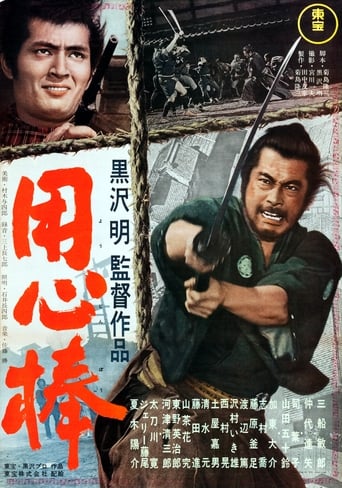
やくざと元締めが対立するさびれた宿場町。そこへ一人の浪人者がやってくる。立ち寄った居酒屋のあるじに、早くこの町を出ていった方がいいと言われるが、その男は自分を用心棒として売り込み始める。やがて男をめぐって、二つの勢力は対立を深めていく……。ハメットの『血の収穫』を翻案、時代劇に西部劇の要素を取り込んだ娯楽活劇。
やくざと元締めが対立するさびれた宿場町。そこへ一人の浪人者がやってくる。立ち寄った居酒屋のあるじに、早くこの町を出ていった方がいいと言われるが、その男は自分を用心棒として売り込み始める。やがて男をめぐって、二つの勢力は対立を深めていく……。ハメットの『血の収穫』を翻案、時代劇に西部劇の要素を取り込んだ娯楽活劇。
Great movie! Akira Kurosawa is just a master movie maker.
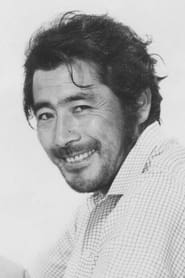
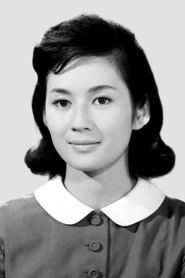
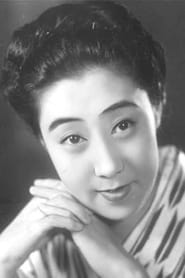
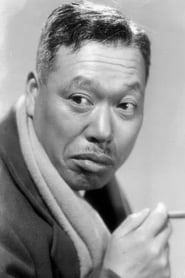
Akira Kurosawa's 1961 film YOJIMBO is a Japanese period drama where wily strategy is worth just as much as prowess with a sword. In the late Edo era (some decades before its end in 1868) a community is plagued by two opposing gangs who have built up a criminal empire of prostitution and gambling. Even the local officials are on the take. Into this town steps a nameless samurai (Toshiro Mifune). Once they get a taste of his swordsmanship, both sides want to hire him, but he decides to play them off against each other and free the innocent citizens from this evil. In past films Kurosawa had taken advantage of Mifune's ability to produce exaggerated facial expressions of laughter and fear. Here, however, the nameless samurai is completely unflappable, while it is the criminal bosses and corrupt officials who play the clowns. Ikio Sawamura is a town constable constantly toadying to the gangsters, for example, while Isuzu Yamada gives a memorably sassy performance as the madame of a brothel. In what would become a convention of the Japanese period drama, the numerous henchmen in the gangs were apparently chosen from the most grotesque men that Kurosawa could find (each furthermore has distinctively ratty attire), and one thug is played by an actor suffering from gigantism. That darkly comedic drama between the characters coexists with brutal violence. Yet, while audiences may have been shocked in 1961 by the samurai dispatching his opponents with realistic slashing sound effects and a hacked off limb, there are only a handful of fights here, and they are all over in a flash. (Indeed, one of the most striking aspects of Mifune's acting is his speed in executing the sword moves.) While Kurosawa delights in gangsters getting their comeuppance, he doesn't revel in gore. Much has been said about how this Japanese film would inspire Westerns made in America and Europe (Sergio Leone's A FISTFUL OF DOLLARS was a straight-up remake). However, the film is also interesting for how it draws so much on influences from the West. Kurosawa's inspiration was an American crime caper by Dashiell Hammett, the samurai’s walk down the main street is drawn from the Westerns of John Ford and others, the soundtrack mixes Japanese music with Western instruments such as harpsichord, and Tatsuya Nakadai's pretty-boy looks are clearly modeled on Hollywood. All in all, I was very impressed by this film. Everything here – from the script and aspect to little things like the wind and dust and the little decorations on the set – seems the result of great effort and talent, all coming together to impress the viewer. And like Kurosawa's RASHOMON, it stays fresh even as its elements have been repeatedly reused by other film and television productions for half a century now.
I was surprised when I saw this, how late it was set - 19th Century - as I'd always imagined it to be of a more historical nature. That doesn't remotely detract from the story though - as again Kurosawa casts Yoshirô Mifune ("Sanjûrô") in the leading role. Here he is a wandering samurai who arrives in a village torn by strife. His skills are sought by the two opposing headmen and he quite successfully manages to play them off against each other - and keep the peace - until one the their sons arrives, armed with a pistol, and completely alters the balance of power. Mifune is superb as the maverick, thoroughly honourable and at times quite amusing ronin - I was reminded a little of the characterisation by Clint Eastwood in the Sergio Leone films - with a ruthless, violent streak: but somehow only towards those meritorious of their fate. It takes it's time, this - there is a fair degree of character development and as such, I felt quite invested in both Mifune and in his friend the innkeeper (Eijirô Tôno) as their peril gradually increases. The remainder of the cast adds to the tension well as does the frequent use of the weather in helping create the gripping atmosphere making this a corker of a film, very much worth watching.