La niña de la cabra
あらすじ
No synopsis available.
作品考察・見どころ
スタッフ・制作会社
監督: Ana Asensio
脚本: Ana Asensio
制作: Ana Asensio / María Beltrán / Emília Fort
撮影監督: David Tudela
制作会社: Aquí y Allí Films
No synopsis available.
監督: Ana Asensio
脚本: Ana Asensio
制作: Ana Asensio / María Beltrán / Emília Fort
撮影監督: David Tudela
制作会社: Aquí y Allí Films
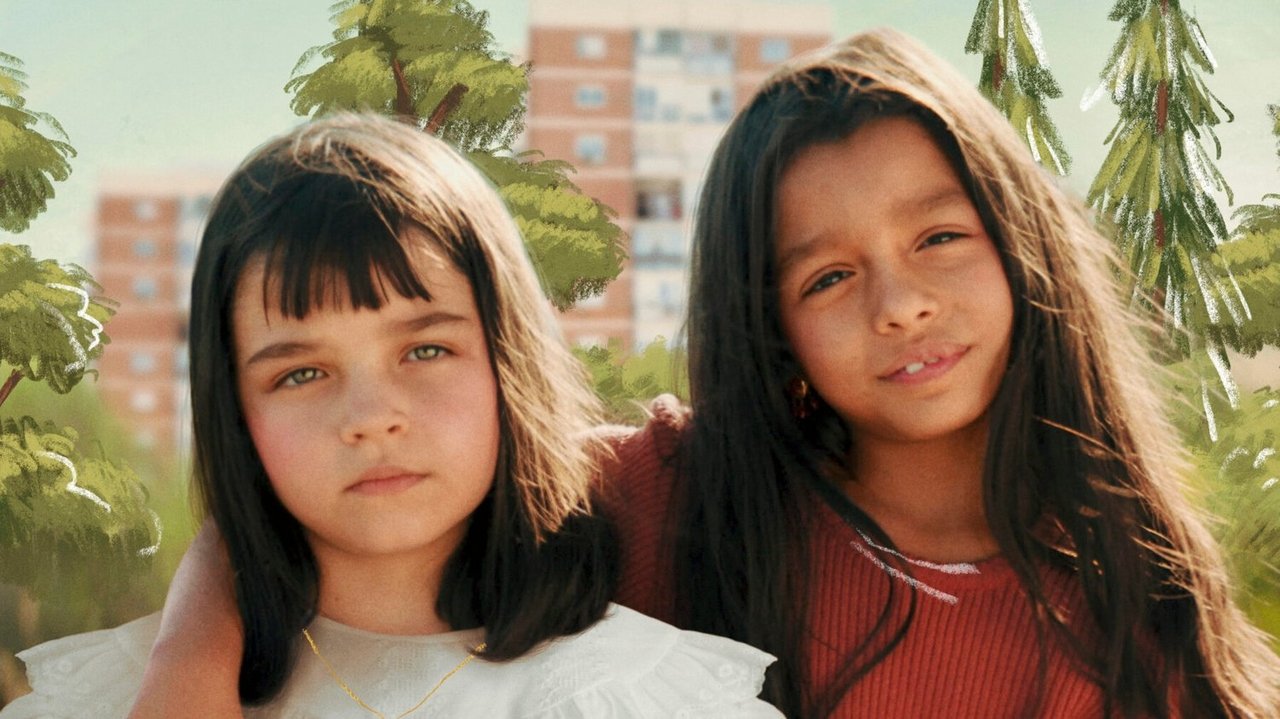
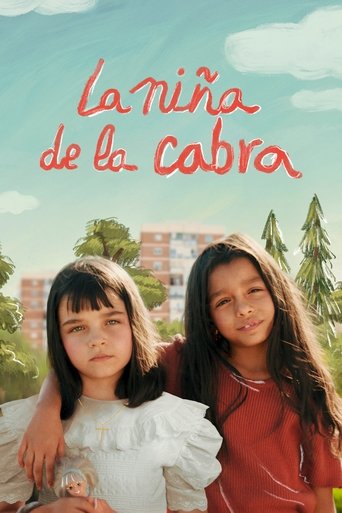
Coming to terms with the craziness of today’s world can be a difficult, maddening undertaking for many of us adults. So imagine how innately confusing it can be for someone looking at it from a child’s perspective, particularly for a youngster who is impressionable, astute and curious and who hungers for the truth (or some semblance of it). When looking at an existence pervasively replete with qualities like rigidity, prejudice, indifference, deception, cruelty, conventionality, hypocrisy, death, religion, unassailable faith and unquestioned mystery, not to mention grown-ups who willingly tolerate such traits, it’s no wonder that a child can be perplexed and unsure of what to believe. And that can lead to the development and embrace of erroneous, shallow or misguided perceptions. Such is the case for eight-year-old Elena (Alessandra González) as she grows up in Madrid in 1988 (a time, ironically, when the world was far less complicated than it is today). She’s naturally curious about her world but often thoroughly confused by it, especially when she asks for answers from her quarrelsome, often seemingly uncaring parents (Lorena López, Pablo Pereira), who rarely provide adequate answers and frequently imply that they might be better off without her. This all comes at a time when Elena struggles to deal with the recent death of her beloved, free-thinking grandmother (Gloria Munóz), her parents’ refusal to let her become friends with a visiting genial gypsy girl, Serezade (Juncal Fernández), and preparation for her upcoming First Communion, a rite of passage for which she feels like she’s receiving inadequate guidance from her inflexible, condescending yet hypocritical priest (Enrique Villén). Because of this, Elena’s often drawn to unconventional (some would say “heretical”) thinking, a seed that had been planted in her consciousness by her abuela. At the same time, though, she’s not so sold on her own ideas that she’s willing to completely abandon Roman Catholicism, despite its inexplicable aspects and contradictions, which she’s expected to accept without question. Most notably, she readily embraces some of the fears that accompany the foregoing, such as teachings that goats are inherent symbols of the devil, a troubling thought for her, given that Serezade’s best friend is her omnipresent pet goal, Lola. Eventually, however, the strain of Elena’s circumstances overwhelms her, and she runs away from home, seeking to live in the country with her gypsy friend and her family, where a series of new (and hoped-for pleasant) experiences and adventures awaits. On the surface, this might seem like an intriguing premise for this story. Unfortunately, there are problems with the execution of the narrative. The film tends to meander, with multiple story threads that go unexplained and come across as somewhat implausible. In addition, the film’s capacity for understatement is so pronounced at times that it’s difficult to discern the relevance of certain events (nuance is one thing, but enigma is something else entirely). In essence, writer-director Ana Asensio’s story and screenplay just don’t come across as substantial enough to fully flesh out the themes it’s striving to convey and depict. There are also a number of references to contemporary events of the time that remain largely underdeveloped, such as the highly publicized activities of ETA, the Basque Separatist Movement, and the organization’s high-profile kidnapping of Emiliano Revilla. It’s unclear if this is simply time frame background material or something more, but, either way, it remains fundamentally cryptic. And the foregoing shortcomings, perhaps, are the biggest pitfall with “Goat Girl”: There simply isn’t enough “there” there to make this a worthwhile watch – no matter how cute and endearing that “devilish” little goat and girl might be.