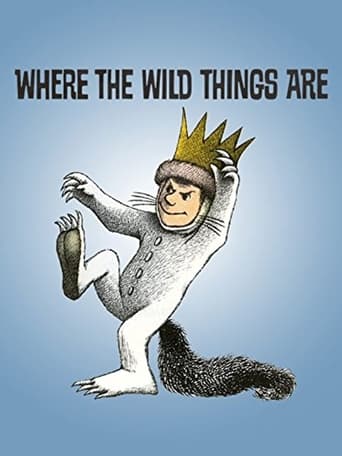
Where the Wild Things Are
あらすじ
No synopsis available.
原作・関連書籍
映画化された原作や関連書籍を読んで、映像との違いや独自の世界観を楽しみましょう。
No synopsis available.
映画化された原作や関連書籍を読んで、映像との違いや独自の世界観を楽しみましょう。
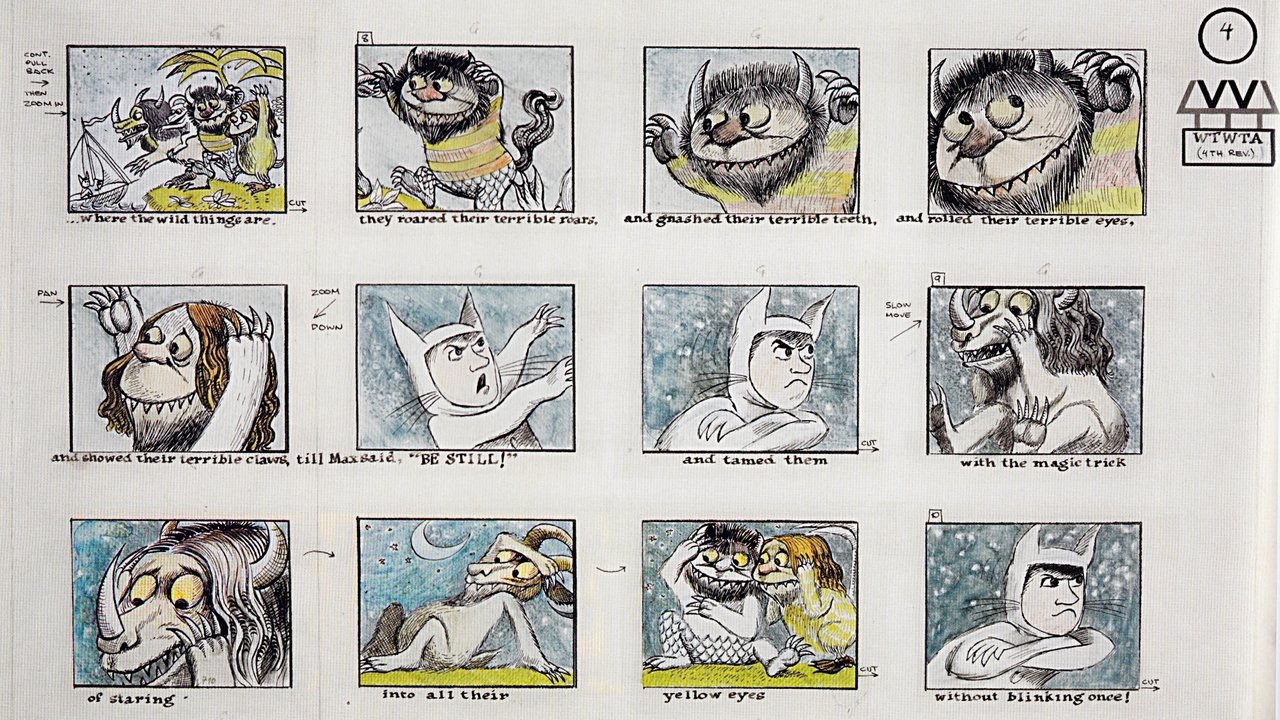
When we close our eyes and think back to our childhood memories, it's rarely just bright colors and pure joy; there are also fears, frustrations, and a wild imagination ready to swallow the world whole. It's exactly this emotional complexity that the animated short film Where the Wild Things Are, based on the acclaimed book of the same name, tries to capture. Despite some technical limitations that definitely show its age, the piece remains a fascinating—and sometimes divisive—study of childhood anger and the need to belong. I invite you to hop in that little boat and revisit this adaptation that threw all the rules of children's entertainment out the window. One of the most praised and memorable aspects of this adaptation is the monumental effort the animation team put into replicating Sendak's unmistakable style with incredible accuracy. The short's visuals successfully preserve that atmosphere, blending magic with a slightly dark tone. For a lot of people talking about the film online today, it carries massive nostalgic value. It's almost impossible not to feel a soft spot when remembering those old screenings on chunky tube TVs in school or the sound of the VHS tape whirring—experiences that shaped the cultural background for so many of us. When we look a little closer, we realize the monsters aren't just random, scary creatures thrown on the screen; they work as a brilliant visual metaphor for the protagonist's own untamed anger. All of Max's rebellion over being punished is projected onto those colossal beasts. It's fascinating to note how, by taming the monsters using only "the magic trick of staring into all their yellow eyes without blinking once," Max is actually learning to tame himself and control his own emotions. This rite of passage turns the island into a psychological safe haven where the child gains agency over his feelings before he's ready to face reality again. It's clear that the story's premise, as playful as it seems, hides an immense psychological depth. Deitch's adaptation hits the nail on the head by keeping the original message intact: an intense reflection on very real feelings that are hard to process as a kid, like rage, guilt, the fear of abandonment, and the search for your own identity. The film illustrates our need to belong to a group, placing that dramatic weight on the shoulders of a boy fighting his insecurities. The film's bravery in stepping away from the sanitized, picture-perfect clichés of children's stories from its time translated really well to the screen, delivering something truly gutsy. However, looking at the short from a technical standpoint and by today's standards, there's no denying that it shows its age and the heavy budget constraints of the production. The animation is pretty basic. The film mostly relies on "camera pans" over static drawings, with very few frames of fluid movement. While this choice tries to mimic the feeling of "reading a living book," it comes at a cost: during close-ups, the drawings lose a lot of definition, and the characters look weirdly flat. It's a dated charm that might win over the nostalgic crowd, but it definitely stands out to a more demanding audience. Another major talking point among film buffs and educators is the movie's audio. Peter Schickele's soundtrack and narration deeply divide people. While some see the dragged-out tone as an artistic, dreamlike approach that perfectly matches the island's weirdness, others—and I include myself in this group with reservations—find the sound design a bit monotonous and, at times, genuinely creepy for younger kids. The impact of this choice was so divisive that it caused a lot of discomfort back then. Fun fact: the author himself, Maurice Sendak, demanded years later that the narration and score be completely redone for new distributions, proving that not all artistic choices worked out as planned. All in all, the 70s animated version of Where the Wild Things Are is a piece that, despite obvious technical flaws and some pretty controversial audio choices, shines brightly because of its thematic maturity and absolute respect for the book's core. It's a film that validates the complexity of a child's mind and acts as a mirror for our own inner "beasts." I highly recommend you take a few minutes out of your day to watch this imperfect little classic. Let yourself hop in that little boat, draw your own conclusions about the film's vibe, and discover—or remember—what you would do if you were crowned the king of all wild things.